
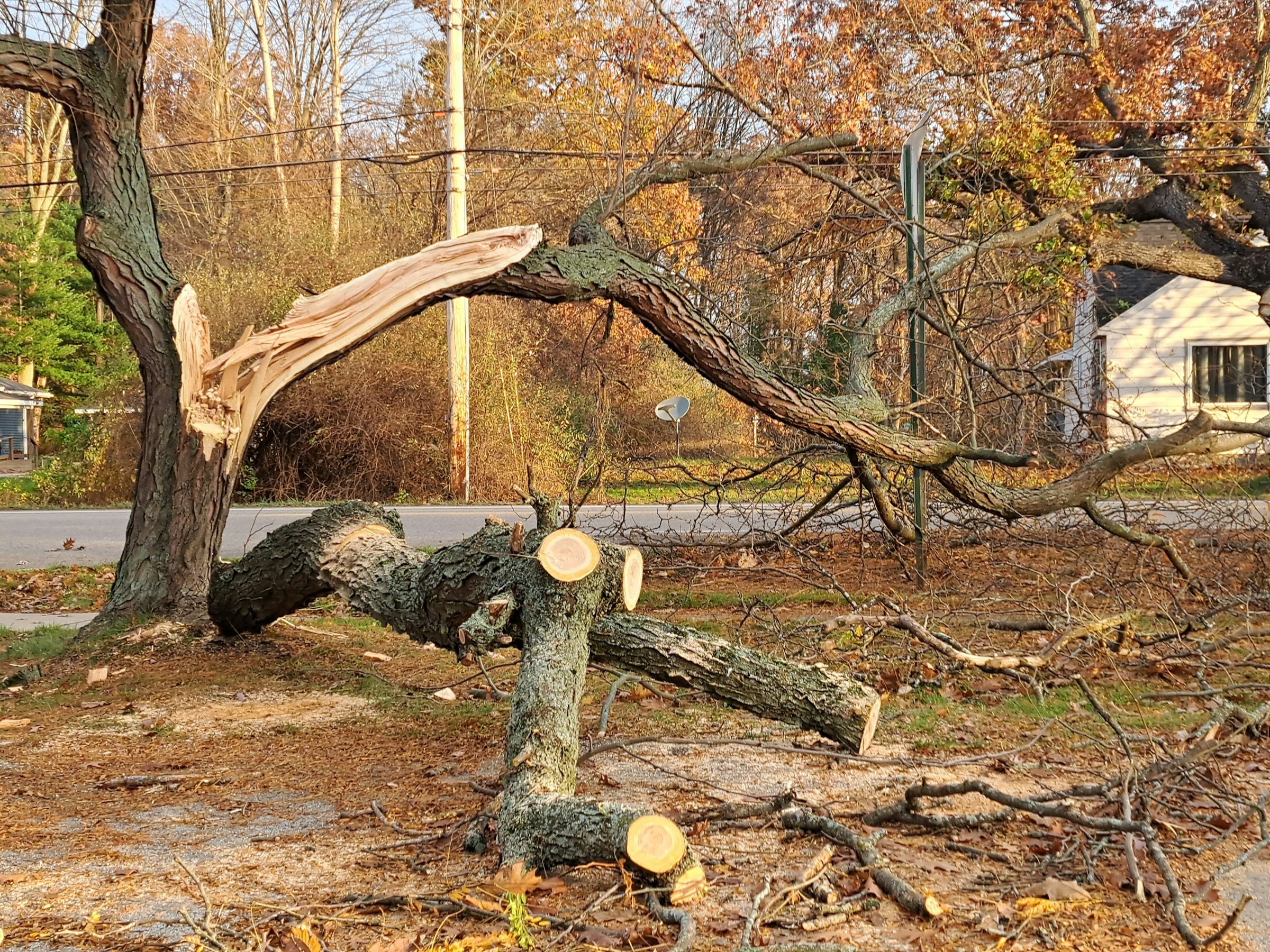
Greenville sits about 200 miles from the coast, and for a long time that felt like far enough. Then Helene’s remnants crossed the Upstate in September 2024, put trees on lines across the region, and left hundreds of thousands of homes dark, many for a week or more. A hurricane that reaches the Upstate is a rain, wind, and outage event rather than a surge event, and preparing for one is a different list from the one coastal homeowners keep. Hurricane season runs from June through November, and the list is easiest to follow as a calendar, so here it is by month.
June: the appointments that depend on availability
- If you have a standby generator, schedule its yearly service now, before the season fills the calendar, and confirm the weekly self-test is running. Our generator service includes the run under full load that shows whether the unit will carry the house for the days Helene demanded.
- Have the cooling system tuned up if it has not been. A system limping through June fails in the week after a storm, when every company in the Upstate is booked.
- Get the limbs over the roof, the outdoor unit, and the service line trimmed, because saturated clay and tropical-storm wind bring down oaks that have stood through every ordinary thunderstorm.
- If the house has no whole-home surge protection, add it. Restoration after an inland storm takes days and comes in flickers, and the surges take out air conditioners and control boards across a neighborhood.
July: the crawl space and the drainage
Inland flooding comes from rain rather than a river. Two inches an hour on Piedmont clay pushes water into crawl spaces of homes nowhere near a creek, and July, with its afternoon thunderstorms, is a good month to see how the house handles water before a storm brings a foot of it.
- Test the sump pump by lifting the float or pouring water into the pit, and if it has no battery backup, arrange one, since the storm that fills the crawl space is the storm that cuts the pump’s power, and our sump pump team installs both.
- Clear the gutters and confirm the downspouts and yard drainage carry water away from the foundation.
- Look at what sits in the crawl space or the lowest level, including the water heater and the air handler, and if the space has taken water before, plan for it to again.
August: the household plan
The peak of the season begins in August, and this is the month for the parts of preparation that are not plumbing or electrical.
- Assemble the supplies a multi-day outage needs: water, shelf-stable food, flashlights, battery banks, medication, and cash, since card readers go down with the power.
- Take photographs of each room and of the major systems, so an insurance claim has a before picture, and read the wind and flood provisions of your policy while there is time to understand them.
- Find the main water shutoff and the breaker panel, confirm the shutoff turns, and label anything in the panel that is not labeled.
- For a home on a well, remember that floodwater over the well head can contaminate the supply, so keep bottled water on hand for drinking until the well can be tested after any flooding.
September: when a storm is named
September is the month a named storm most often turns toward the Carolinas, and the Upstate usually has several days of warning.
- Fill the propane tank if the generator runs on one, and buy portable generator fuel while the stations still have it and power.
- Turn the refrigerator and freezer down a notch so they hold longer through an outage, and charge every phone and battery bank in the house.
- Pick a thermostat setting and leave it alone, so that if the power drops, the house begins the outage cool and dry.
- Unplug electronics you do not need, since the restoration surge is what kills them.
- Bring in or tie down patio furniture, grills, and trash cans, and confirm the generator’s status one more time.
October: the storm that comes late
The season does not end when school starts. October storms reach the Upstate as remnants that combine with the first cold fronts, and the household that packed away its preparations in September is the one caught. Keep the supplies together, keep the generator fueled, and keep the gutters clear of the leaves that begin falling now, because an October storm on clogged gutters puts water under the house.
November: the review
The season closes at the end of November, and it is the month to write down what happened. Log any outage, how long it lasted, and what failed, since that history is the best guide to what to prepare for next June. If the generator ran for more than a day, it needs service before the winter ice storms rather than at its next yearly visit. And if the house lost power for days with no generator, November is a good month to talk about one, because installation takes weeks and the winter storm season follows the hurricane season with little gap between them.
After a storm, in any month
Preparation ends when the storm passes and assessment begins. Our post-hurricane checklist covers how to look at the house by what the water, the wind, and the outage each touched, and our post on what each trade checks after the power returns covers restoration.
Carolina Heating Service has served Greenville and the Upstate since 1981 with heating, cooling, plumbing, electrical, and generators under one roof, which means the June and July appointments on this calendar can be handled by one company in one or two visits. Schedule online or through the 24/7 website chat, and members of the Carolina Comfort Club receive priority service, which matters most in the week after a storm, when one call covers the whole calendar.