
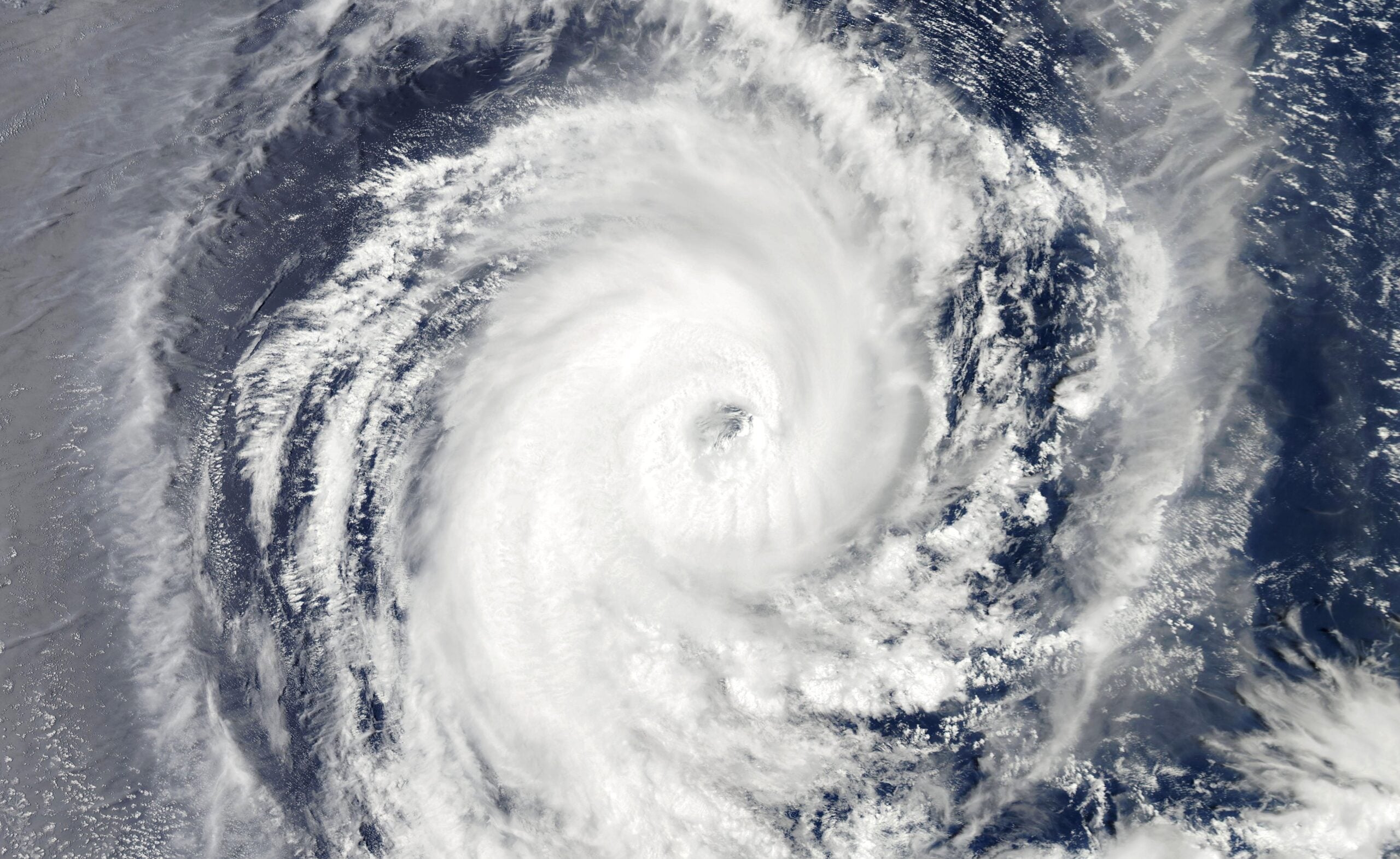
When a tropical system has crossed the Upstate and the rain has stopped, the instinct is to start clearing the yard. Some of that can wait an hour, while some things that look fine cannot wait at all. An inland storm damages a house in three distinct ways, and sorting the house by which one touched what is the quickest way to find the problems that matter. The water reaches the crawl space, the drains, and whatever sits low; the wind reaches the roof, the outdoor unit, and the lines; and the outage reaches everything with a motor or a circuit board. Here is the checklist in those three categories, with the findings that mean a call today.
Safety before any of it
Look up before you look down, since downed lines in the yard, across the roof, or tangled in a fallen tree are the utility’s job, and a line on the ground is treated as live. Any smell of gas means leaving the house with the door open behind you and calling the gas utility from the yard. If water reached the panel, an outlet, or an appliance, do not walk through it until the power to that area is off, and if reaching the panel means wading, wait for an electrician. If a portable generator has been running, make sure it is still a safe distance from every window and door before the household goes back in.
Where the water reached
Inland flooding comes from rain through saturated clay, and homes nowhere near a creek find inches of it under the floor.
- In the crawl space, take a flashlight down and look for standing water, wet insulation, mud on the ductwork, and the water line on the piers. If the sump pump did not run, our sump pump team should see it before the next rain. Ductwork that took water needs cleaning or, if the insulation is soaked, replacement.
- At the water heater and the air handler, either one that stood in water needs its gas valve, burner, or electrical components inspected before it is relit or powered, and the water line on the cabinet belongs in a photograph.
- At the drains, saturated ground and overwhelmed sewers push wastewater back through the lowest drains, and a drain that backed up during the storm should have a camera inspection for a line that shifted or cracked.
- At the well, a head that was under floodwater can carry contamination into the house, and the water is unsafe to drink until it has been tested.
- At the panel and the outlets, anything electrical that was under water, even briefly, belongs to an electrician before it is used again, because water inside a panel starts corrosion that becomes a fire risk later.
Where the wind reached
The Upstate’s damage in a tropical system is mostly trees, because oaks and pines standing in saturated clay come down in numbers and take roofs, lines, and equipment with them.
- On the roof, look from the ground for lifted or missing shingles, and at the ceilings for staining, since roof water shows in the attic insulation and on the ductwork first.
- At the outdoor unit, limbs and debris bend fins, dent the cabinet, and pull the disconnect loose, all of which is repairable, and since a bent fan blade does damage on the first start, do not run a unit that was hit until it has been looked at, and photograph the damage before touching anything.
- At the service line and the meter, damage where power enters the house belongs to the utility on one side and an electrician on the other.
- At the generator enclosure, check the louvers for debris, and confirm the cabinet is latched and the unit still shows green.
Where the outage reached
The outage itself does little harm; the restoration does, because power returns in flickers and at low voltage while crews bring the grid back, and after Helene that took days.
- For the heating and cooling system, give it a few minutes before judging it, then listen, because a hum with no fan, a repeating click, or a start-and-stop within a minute points to a capacitor, contactor, or board that took a hit.
- For the surge protector, if the home has one at the panel, check its indicator, since a device that absorbed a large surge may have spent itself and needs replacing before the next storm.
- For the electronics, several dead at once mean a surge came through, and the control boards you cannot see took the same surge.
- For the generator, note the hours it ran, check the controller for logged faults, and look under the enclosure for oil, since a unit that ran more than a day or two needs service before the next storm.
- For the refrigerator, a closed one holds a safe temperature for about four hours and a full freezer for about two days, and anything that spent longer above 40 degrees should go.
The findings that cannot wait
Across the three categories, a few findings are a call today: water in the house or standing under it with a silent pump, a sewer backup, a well that may be contaminated, a panel that was under water, a gas smell, a cooling system that will not restart in a September heat wave, and a generator fault. A bent fin, a dented cabinet, a filter full of storm dust, and a spent surge protector can be handled at a scheduled visit.
One call for all three categories
Carolina Heating Service has served Greenville and the Upstate since 1981 with plumbing, heating, cooling, electrical, and generator technicians under one roof, which after a storm means one call rather than four. Same-day repair service is available by phone, members of the Carolina Comfort Club receive priority service after a storm, and every visit is recorded on video. Our post on what each trade checks when the power returns is the companion to this one.