
Most Upstate households already have four heating habits. The trouble is that they are the wrong four, formed in a milder climate or an older house. Each one costs a little every day of a Greenville winter without anyone noticing. So rather than list four tips on their own, this post pairs each with the habit it replaces. A tip is easier to keep when you can see what it is standing in for. Most Upstate homes heat with a heat pump, and a good number with a gas furnace, so each tip covers both.
1. Change the filter monthly, instead of when you remember
The habit it replaces is the seasonal filter, changed at the fall tune-up and forgotten until spring. A filter that has been in since October is carrying months of dust and pet hair by January, and a heating system pulling air through it works harder for every degree. On a gas furnace, the restricted airflow lets the heat exchanger overheat until the limit switch trips and the furnace shuts down mid-cycle. On a heat pump, it can call the auxiliary heat strips into service, which is the costliest way a house can be heated. Look at the filter on the first of every month, hold it up to a lamp, and swap it when the light no longer comes through. Set a phone reminder, because the habit this replaces was formed by the absence of one.
2. Set the thermostat once, instead of bumping it up and down
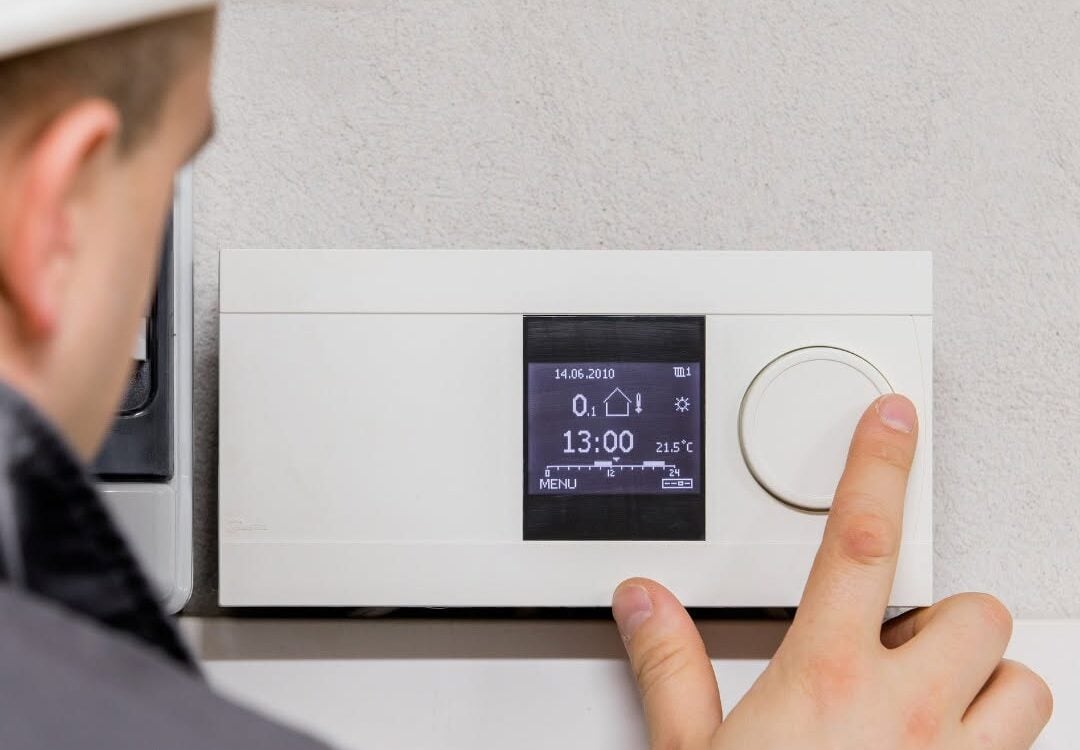
The habit it replaces is the thermostat bump: down to 62 at bedtime, up to 72 at breakfast, down again when the house empties. On a gas furnace that costs a little. On a heat pump the cost is far larger, because asking for a jump of several degrees at once tells the system to bring on the strips to get there quickly, so the household pays strip rates every morning of the winter. Choose a setting you can live with, keep the overnight setback small, and let the system hold it. A smart thermostat runs a schedule for you and raises the temperature gradually, which keeps the strips off, and it reports faults before the house gets cold.
3. Keep every vent open, instead of closing the rooms you do not use
The habit it replaces feels like thrift: closing the vents in the guest room and the dining room to push heat where the family is. A heating system is designed for a certain airflow, and closing vents raises the pressure in the ducts and strains the blower rather than saving anything, and in a heat pump the reduced airflow can trigger the strips. Walk the house once and make sure every supply vent and return grille is open and clear of furniture, rugs, and curtains. If one room never warms, that is a duct problem in the attic or crawl space rather than a thermostat problem, and it belongs on the list for the next visit.
4. Manage the damp and the drafts, instead of turning up the heat
The habit it replaces is the response to a house that feels colder than the thermostat says, which is to raise the thermostat. Upstate winters are damp, and damp air feels colder than dry air at the same temperature, so a household that runs long showers with the bathroom fan off and leaves the fireplace damper open after the fire goes out is fighting its own house. Run the fan during and after showers, close the damper when the fireplace is idle, since an open flue pulls heated air out around the clock, and seal the drafts you can feel around doors and windows with weatherstripping. Under the house, closing the foundation vents for the winter keeps cold air from moving across the floor and the ductwork in the crawl space. A house that feels warm at 68 costs less than one that needs 72 to feel the same.
The habit no tip replaces
One winter behavior is not a habit to adjust. A gas furnace flame that burns yellow or orange rather than blue, a carbon monoxide detector that sounds, a smell that lingers after the furnace starts, or headaches and nausea in the house while the heat runs are signs of incomplete combustion or a cracked heat exchanger, and the right response is to shut the system off and call rather than change anything. Our furnace technicians treat that call as the priority it is, and same-day repair service is available by phone.
When the four tips are in place and the house is still expensive
If the filter is fresh, the thermostat is steady, the vents are open, and the drafts are sealed, but the house is still costly or uneven to heat, the system is telling you something a homeowner cannot fix from the living room: a low refrigerant charge, a heat strip stuck on or failed, a defrost control running too often, a duct that separated when the clay froze and shifted, or a blower that has slowed. Each shows on a technician’s instruments and nowhere else. A mid-season maintenance visit records those readings on a system report card, with the visit on video, and members of the Carolina Comfort Club receive member pricing on any repair it finds.
Keeping the winter inexpensive
Carolina Heating Service has served Greenville and the Upstate since 1981. If the four tips are in place and the house still is not comfortable, schedule online or through the 24/7 website chat, and you will receive a photo of your technician and an on-the-way message before arrival. The technician will explain what the system needs and why, with the price presented before any work.