
Maintenance is usually sold on the value it provides financially, since a maintained system lasts longer and costs less to run. Another solid reason is safety, since a maintained system does not leak gas, start fires, or flood the house. Both are true, and the useful thing about them is that they are earned by the same visit. Every tune-up and inspection in an Upstate home writes to two ledgers at once, the longevity ledger and the safety ledger. This post opens both, trade by trade, so the case for maintenance can be seen whole.
Heating and cooling
On the longevity ledger, a heating and cooling tune-up cleans the coils so the compressor runs at its design temperature, corrects the refrigerant charge so it is not straining against a low one, tests the capacitor so the motors do not start hard, and tightens the connections that vibration loosens, and a system that receives that twice a year in the Upstate’s long cooling season tends to reach 12 to 15 years rather than 9 to 11. On the safety ledger, the same visit inspects a gas furnace’s heat exchanger for the cracks that let carbon monoxide into the house, tests the flame sensor and the limit switch that shut the furnace down when something is wrong, checks the electrical connections in the outdoor unit for the heat that starts fires, and clears the condensate drain that would otherwise overflow into an attic ceiling.
Plumbing
On the longevity ledger, a plumbing inspection flushes the sediment that shortens a water heater’s life, checks the anode rod that protects the tank from within, measures the water pressure that a failing regulator lets climb until every fixture in the house is stressed, and finds the slow drain before it becomes a blocked line. On the safety ledger, the same visit tests the water heater’s relief valve, which prevents a tank from overpressurizing, checks a gas water heater’s venting, looks for the hidden leak that grows mold in Upstate humidity, and tests the sump pump that keeps a crawl space from flooding in the storm that also cuts its power. A burst pipe in a January freeze is on both ledgers at once, and the fall visit that wraps the exposed pipe writes to both.
Electrical
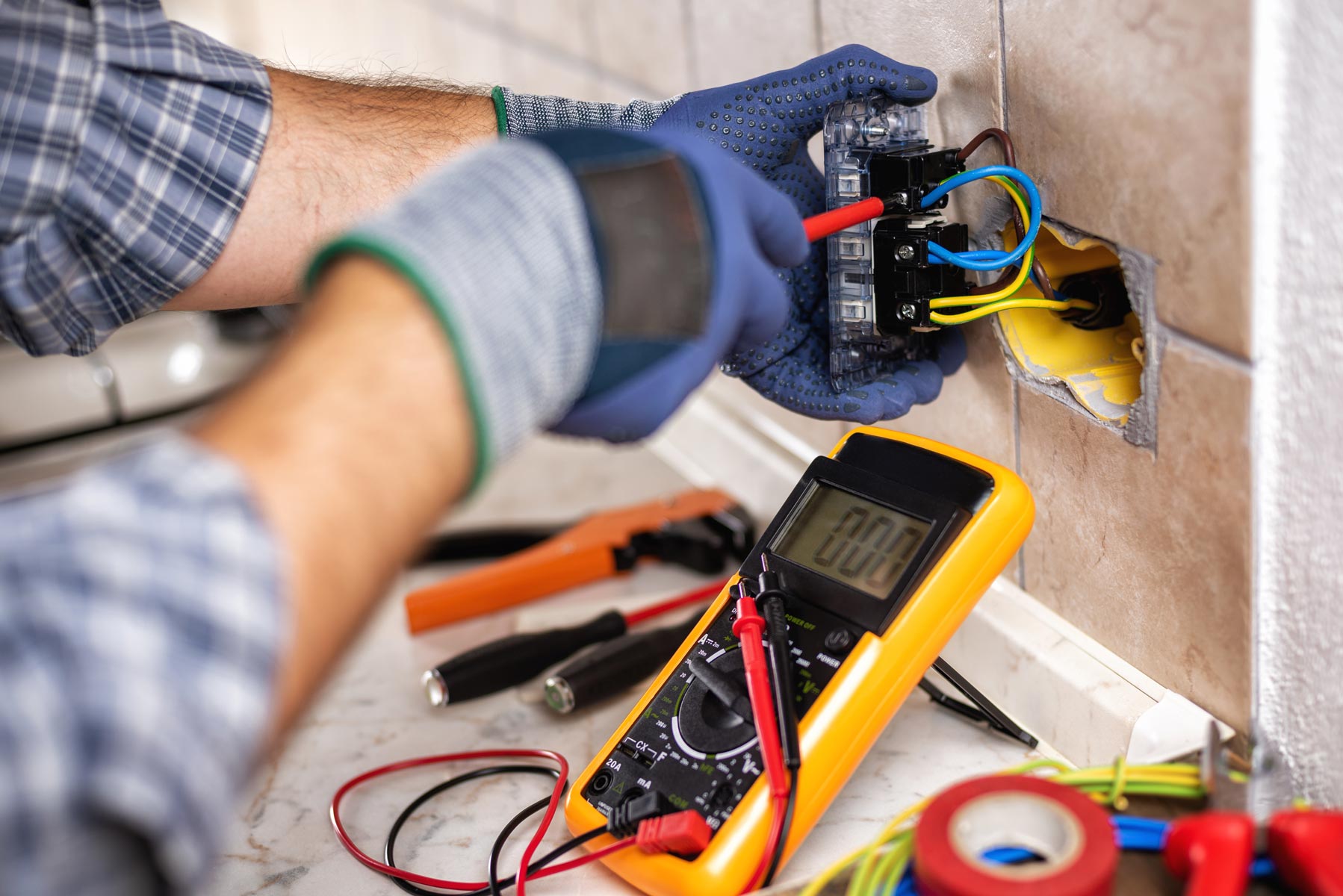
On the longevity ledger, an electrical inspection finds the loose connection that is building resistance and heat, replaces the breaker that has tripped so many times it may no longer trip, and identifies the panel that has fallen behind the house’s load before the appliances on it pay the price, and a whole-home surge protector at the panel adds years to every control board in the house. On the safety ledger, the electrical trade is nearly all safety: the warm outlet that becomes a fire behind a wall, the GFCI that no longer trips where water and electricity meet, the aluminum or knob-and-tube wiring in a Greenville mill house that predates the household’s load, the grounding that has corroded so a surge has nowhere to go, and the smoke and carbon monoxide detectors that are past their date. Our electrical inspection services are here to cover you.
Generators
On the longevity ledger, a generator service changes the oil and filters, tests and replaces the battery on schedule, checks the fuel regulator, and runs the unit under a full load, and a generator that receives that yearly is the one that runs for a week after a storm like Helene without an engine problem. On the safety ledger, the service inspects the transfer switch that keeps generator power from flowing back into the utility lines where crews are working, confirms the exhaust and the clearances that keep carbon monoxide away from the house, and clears the enclosure of the nests and debris that block cooling air. For a portable generator, the safety ledger is the whole story: outdoors, far from every window and door, and never plugged into a wall outlet.
Why the two ledgers are one visit
It would be possible to buy longevity and safety separately, with a tune-up for the one and a safety inspection for the other, and nobody does, because the same technician looking at the same components finds both. The capacitor that is drifting is a longevity finding and the scorched terminal beside it is a safety one, just as the sediment in the water heater is longevity and the stuck relief valve above it is safety. A maintenance visit is the one appointment in a year that writes to both ledgers, which is why skipping it costs twice.
The Upstate’s entries
Greenville adds its own lines to both ledgers. The long cooling season and the spring pollen shorten a system’s life faster than a milder climate would, which is the longevity entry. The humidity that hides leaks and grows mold, the freezes that split uninsulated pipe, the lightning that surges through aging panels, and the ice storms and tropical remnants that take the power for days are the safety entries, and each is one a seasonal visit addresses before the season arrives.
Keeping both ledgers current
Carolina Heating Service has served Greenville and the Upstate since 1981 with heating, cooling, plumbing, electrical, and generators under one roof, which means one company can keep both ledgers for the whole house. Members of the Carolina Comfort Club receive two heating and cooling visits a year with the readings recorded on a report card and the visit on video, and the plumbing, electrical, and generator visits are the same call. Schedule online or through the 24/7 website chat, and every visit will add years to the system and remove a hazard from the house at the same time.