
Most maintenance mistakes are not dramatic, but the costs add up. They are small tasks skipped for a season, then two, until the system they were protecting starts showing the cost. The cost arrives in a season of its own. The summer mistake sends its bill in July, the winter mistake on the first night in the 20s, and the storm mistake when the power comes back. One mistake costs a little every month regardless of the weather. Here are the mistakes first-time homeowners in the Upstate make most often, sorted by when each comes due.
Every month, ignoring the filter
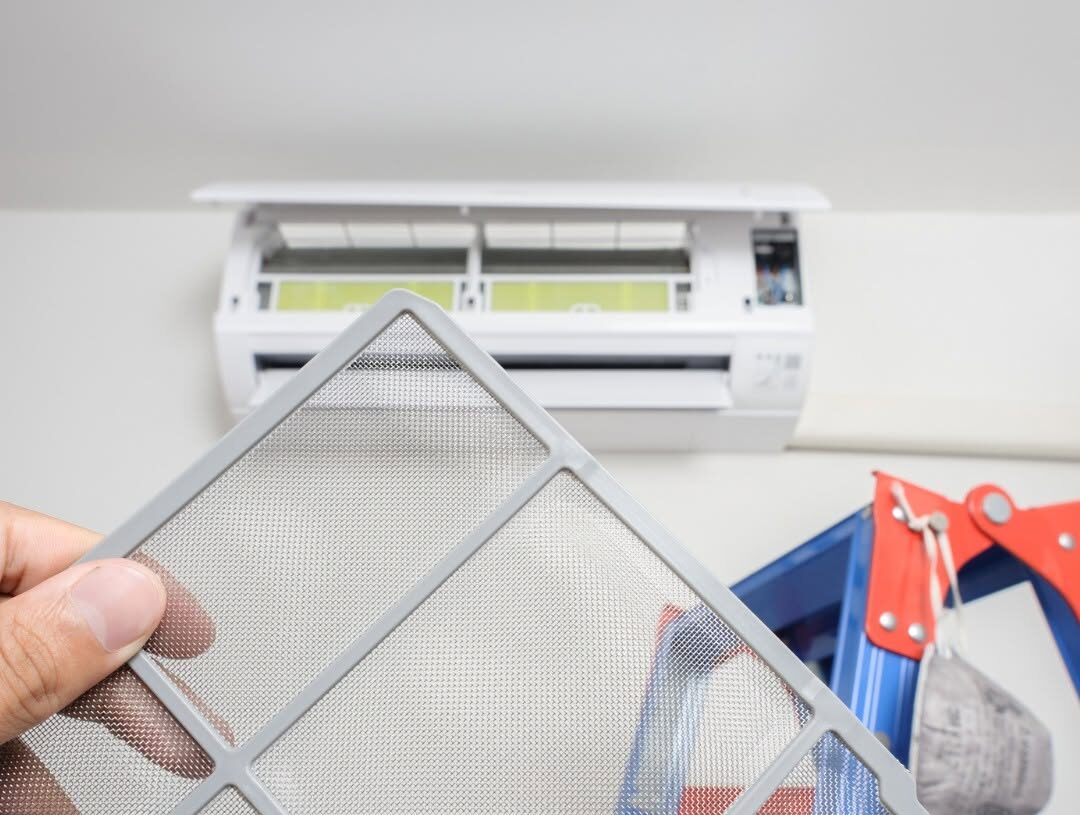
A dirty air filter is one of the simplest things in a house to fix and one of the most commonly ignored. When it clogs, the system works harder to pull air through it, which raises the power bill every month and strains the blower motor. Left long enough, restricted airflow freezes the indoor coil in summer and pushes a heat pump onto its expensive auxiliary strips in winter, and a five-minute chore becomes a repair call. In Greenville the spring pollen loads a filter in weeks, so the habit is to check it on the first of every month and change it every one to three months, more often with pets.
In summer, skipping the spring tune-up
An air conditioner that runs without a spring check tends to fail in July, when it has been working hardest and a small issue finally becomes a large one. The parts involved are usually a capacitor that was already weak in March or a refrigerant charge that had drifted, either of which a tune-up catches while it is still a minor repair. The bill for the mistake arrives in the first heat wave, when every company in the Upstate is booked and the house is 85 degrees. A spring visit in March or April, with the coils cleaned of pollen and the condensate drain cleared before the humidity arrives, is what keeps the mistake from being made.
Come winter, leaving the pipes and the water heater to chance
Two mistakes send their bill together on the first hard freeze. The first is not knowing where the main water shutoff is, which rarely matters until the moment it matters most, when a burst pipe or a failed supply line is flooding a room and every minute spent searching for the valve is damage that did not need to happen. Find it in the fall and turn it once. The second is overlooking the water heater, which sits quietly through a summer of sediment and then meets January’s cold incoming water and a house full of people reaching for the hot tap at once. A tank past ten years with no flush on record is a replacement waiting for a holiday weekend, and a tank in an Upstate garage or crawl space also stands in the path of a freeze. Wrapping the exposed pipe, covering the spigots, and flushing the heater in October is the fall afternoon that prevents the winter bill.
In storm season, not protecting the electrical system
New homeowners rarely think about the electrical system until the power goes out and comes back, and the mistakes are small, such as resetting a breaker that trips repeatedly instead of asking why, ignoring a warm outlet or a flicker when the air conditioner starts, and never testing the GFCI outlets or the smoke and carbon monoxide detectors. The bill arrives after a summer thunderstorm, when a restoration surge finds the loose connection or the aging breaker and takes the control board in the heating and cooling system with it. A whole-home surge protector at the panel and an electrical inspection in a home more than 20 years old are the two steps that keep the storm from collecting.
Any season at all, doing it yourself past the line
The last mistake has no season because it can be made in any of them. Changing a filter, clearing a slow drain with a plunger, and replacing a thermostat battery are homeowner jobs. Opening the panel, handling refrigerant, working on a gas line, or relighting a water heater that flooded are not, and a repair attempted past that line tends to arrive at a technician’s door larger than it started, sometimes with a safety problem attached. Knowing where the line sits is the mark of a homeowner who has learned the house, and a plain answer from a technician about which side of it a job falls on is part of what a service visit is for.
What the mistakes have in common
Every mistake above is a small task skipped in one season that sends its bill in another, which is why they are so easy to make: the connection between the skipped task and the eventual bill is months long. A maintenance calendar closes that gap by putting the task in the season before the bill. Members of the Carolina Comfort Club have the spring and fall visits scheduled for them, with the coils cleaned and the strips tested before the season that would have collected, and every visit ends with a system report card that tells a first-time homeowner what the system’s numbers look like when it is healthy.
Carolina Heating Service has served Greenville and the Upstate since 1981, and our post on the first week, month, and year in a new home lays out the calendar that prevents the mistakes on this page. If one has already sent its bill, schedule online or through the 24/7 website chat, and same-day repair service is available by phone. The technician will fix what the mistake cost, explain plainly how to keep it from happening again, and present the price before any work.