
A plumbing problem rarely stays the same size while you put off dealing with it. It grows quietly in the time between the day you first notice something and the day you call, and what changes is not only the repair but what the repair has to include. The clearest way to see that is to take four ordinary Upstate plumbing problems and describe each at three moments: the first sign, a season later, and the day it fails. No dollar figures are needed, because at each moment the list of what has to be fixed gets longer, and that is the whole cost of waiting.
The slow leak under a sink or behind a wall
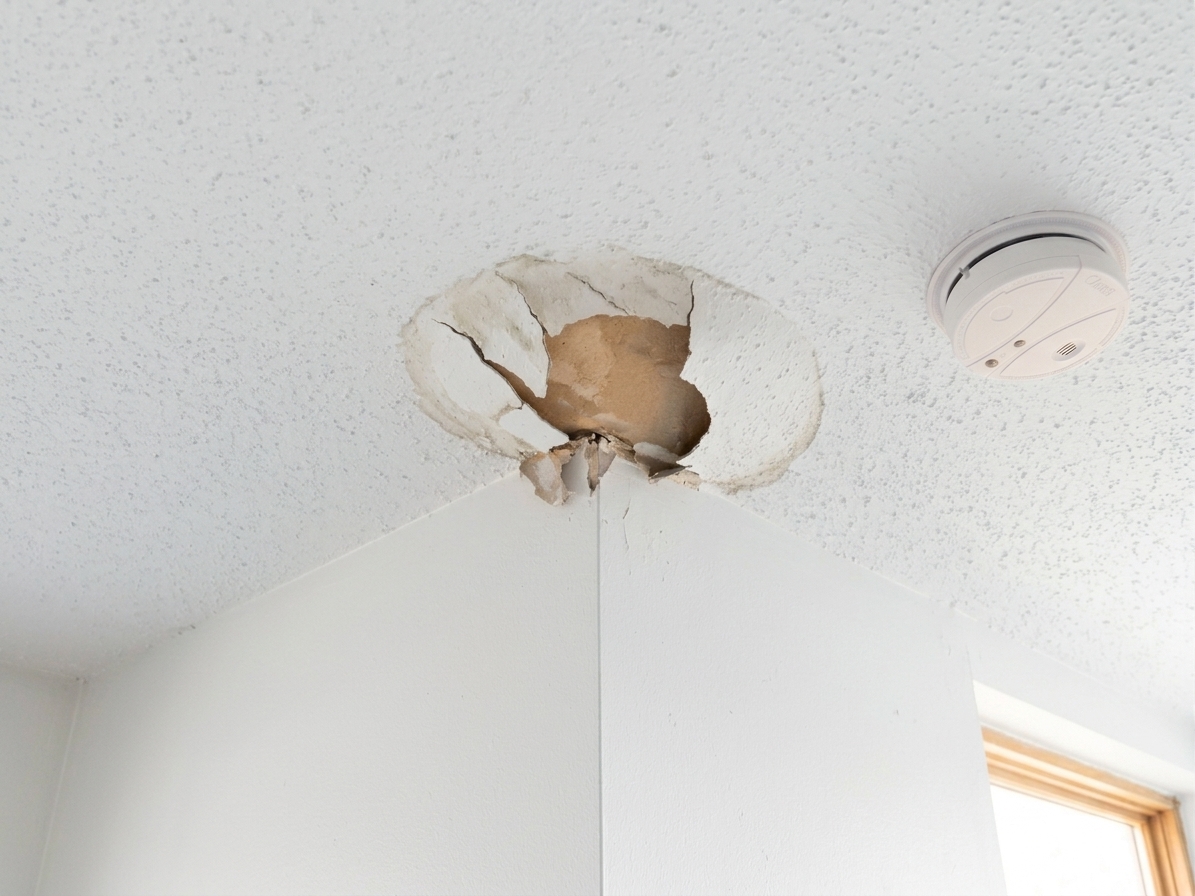
At the first sign, the problem is a supply line or a fitting weeping a few drops an hour, and the repair is the fitting. A season later, in a Greenville summer, the humidity has hidden the moisture from sight and smell while it soaked into the cabinet floor or the drywall, and the repair is the fitting plus the material the water ruined. At failure, the leak has reached the subfloor or the framing, mold has followed in the damp, and the job is a plumber, a carpenter, and sometimes a remediation crew. Whole-home leak detection finds a leak at the first moment, which is why the draft version of this post recommended it and why this one does too.
The drain that empties a little slower
At the first sign, a partial blockage is narrowing one drain, and drain clearing restores it in a short visit. A season later, the blockage has caught more debris and more grease, a second drain has slowed, and the cause may have moved from the fixture to the line, which means a camera inspection to sort out. At failure, the line has backed up into the house, and the job is the line, the cleanup, and whatever the wastewater touched. Greenville’s rain gives this one a local accelerant, since tree roots grow toward any crack a slow line develops.
A water heater that rumbles
At the first sign, the tank pops and rumbles while heating, which is sediment on the bottom, and a flush and inspection through our water heater service clears it. A season later, the sediment has thickened, the element or burner has worked harder for months, showers run short sooner, and the repair is a flush plus a part. At failure, the tank itself has let go, forty or fifty gallons have crossed a garage or utility room floor, and the job is a replacement plus a cleanup, on the tank’s schedule rather than yours, which in the Upstate tends to mean a holiday weekend when the house is full. Addressing the early signs is a scheduled visit; addressing the failure is a flood.
The shutoff valve that is stiff
This is the problem nobody notices, and it decides how the other three end. At the first sign, a valve under a sink or at the water heater turns stiffly, and the repair is the valve. A season later, it has seized, and nobody knows, because nobody has tried it. At failure, one of the leaks above has become a flood, the household reaches for the valve, and it will not turn, so the water runs until someone finds the main. A valve replaced at the first moment costs a short visit and turns every later emergency into a smaller one. It is the least expensive item on this page and the one that seriously impacts the others.
Why the third moment costs so much more
The pattern across all four is the same. At the first sign, the repair is the failing part. A season later, it is the part plus what the failure has reached. At failure, it is the part, the damage, the cleanup, and the timing, since failures do not wait for a convenient day and a repair made on a holiday or in the middle of the night carries the cost of the hour as well as the work. Greenville adds its own weight to the second moment, because humidity hides leaks and the rainy months feed roots, so the season between noticing and calling does more damage here than in a drier place.
Calling at the first sign
Carolina Heating Service has served Greenville and the Upstate since 1981, and every plumbing visit ends with a plain account of what was found and what it would take to fix it, with the price presented before any work begins and the job recorded on video. Members of the Carolina Comfort Club receive priority service and member pricing on repairs, which makes the first-moment call an easier one to place. Schedule online or through the 24/7 website chat, and if a problem has already reached the third moment, same-day repair service is available by phone.