
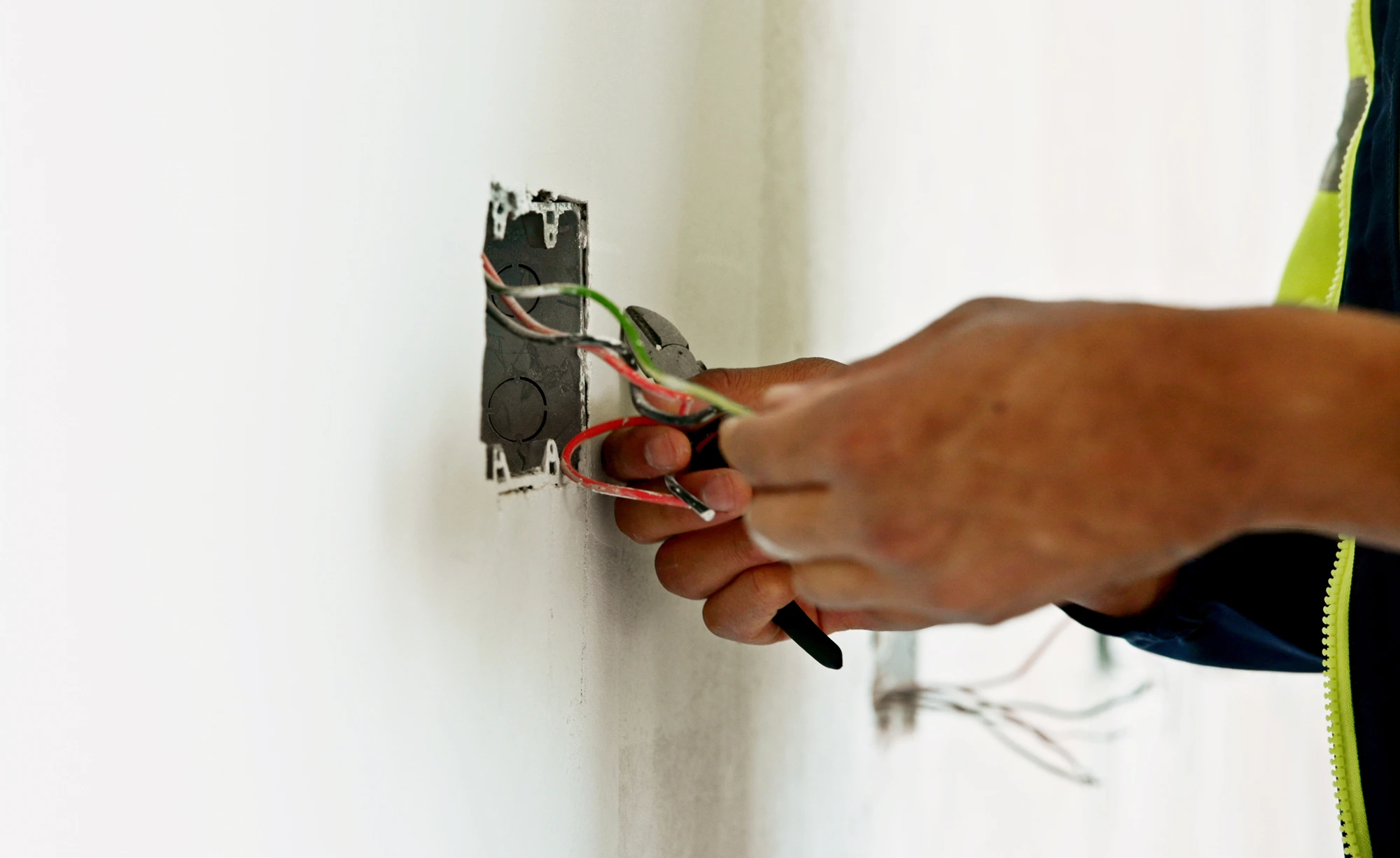
Most homeowners never think about the electrical system until something stops working, which is a reasonable way to treat a system that mostly works. A schedule catches problems while they are small, protects the house from the fire risk that builds quietly behind walls, and keeps the system ready for the growing number of devices a household runs. Rather than a single interval, this post lays out a calendar for an Upstate home: what to check yourself once a year, when to bring in an electrician for the whole system, and the events that reset the clock regardless of the date.
Once a year, on your own
A homeowner can do a useful electrical check in an hour, and the best time in the Upstate is fall, after the summer storm season has had its chance to do damage and before the holiday lights add their load.
- Press the test button on every GFCI outlet in the kitchen, bathrooms, garage, and outdoors, and confirm each one trips and resets. A GFCI that will not trip is not protecting anyone.
- Feel every outlet and switch plate for warmth with nothing running, and look at each for discoloration.
- Open the panel door and look, without removing the cover, for rust, scorch marks, or a smell, and listen for a buzz.
- Walk the outside of the house and look at the meter base, the disconnect for the heat pump, and any outdoor outlet for corrosion or damage from a season of thunderstorms.
- Test the smoke and carbon monoxide detectors, replace their batteries, and replace any unit past the date on its back.
- Note which extension cords have become permanent, because each one marks a place an outlet belongs.
Every three to five years, by an electrician
A full electrical inspection every three to five years is a sound baseline for most homes. The electrician removes the panel cover and checks every breaker and connection for heat, looseness, and corrosion, tests the grounding and bonding, measures the load on the busiest circuits, checks the wiring wherever it can be seen in the attic and crawl space, tests the GFCI and arc-fault protection, and looks at the outdoor connections that the Upstate’s weather works on. Homes older than 25 years, homes with knob-and-tube or aluminum wiring, and homes that have added major appliances or an EV charger since the last inspection belong at the three-year end of the range. Newer homes with modern panels and wiring can stay toward five, provided nothing has changed about how the house uses power. Every inspection from Carolina Heating Service ends with a written account of what should be addressed now and what can wait, recorded on video.
The events that reset the clock
Some events call for an inspection regardless of where the calendar stands, because each changes the system or what is known about it.
- A home purchase, since a new owner rarely has full visibility into the electrical work a previous owner did, and a home inspection is a general look rather than an electrical one.
- A renovation or an addition, which changes the load and often the circuits in ways that deserve a follow-up.
- A new heat pump, an EV charger, a hot tub, or a standby generator, each of which adds load a panel may not have room for.
- A storm with a nearby lightning strike or a long outage, since the restoration surge can damage breakers so they no longer trip when they should.
- A history of DIY electrical work in the house, which is worth a professional look even when everything works.
The signs that mean now, not later
The calendar sets the routine, and a few signs override it. Breakers that trip repeatedly or will not stay reset, outlets or switches that feel warm, a persistent burning smell with no source, and lights that flicker or dim when other devices turn on are each a reason to call rather than to wait for the next scheduled date. The burning smell and a buzzing panel are the two that warrant same-day repair service, and our post on electrical warning signs sorted by urgency sorts the rest.
Why the Upstate’s calendar is a little shorter
Two local factors argue for the shorter end of every range above. Greenville sits in one of the more lightning-prone regions of the country, and summer thunderstorms send surges through panels every year, which is why the outdoor connections and the breakers deserve a look each fall. And Greenville’s homes span a century, from mill villages with wiring from another era to 1980s subdivisions with panels sized for a smaller life, so a good many Upstate homes fall into the older-than-25-years group by default.
Putting the calendar to work
Carolina Heating Service has served Greenville and the Upstate since 1981, and our electricians complete a multi-month training program at hire. If your home has not had a full electrical inspection in memory, or one of the events above has happened since the last one, schedule online or through the 24/7 website chat, and you will receive a photo of your technician and an on-the-way message before arrival. Members of the Carolina Comfort Club receive priority service and member pricing on any repair the inspection turns up, and any finding comes with the price presented before the work.