
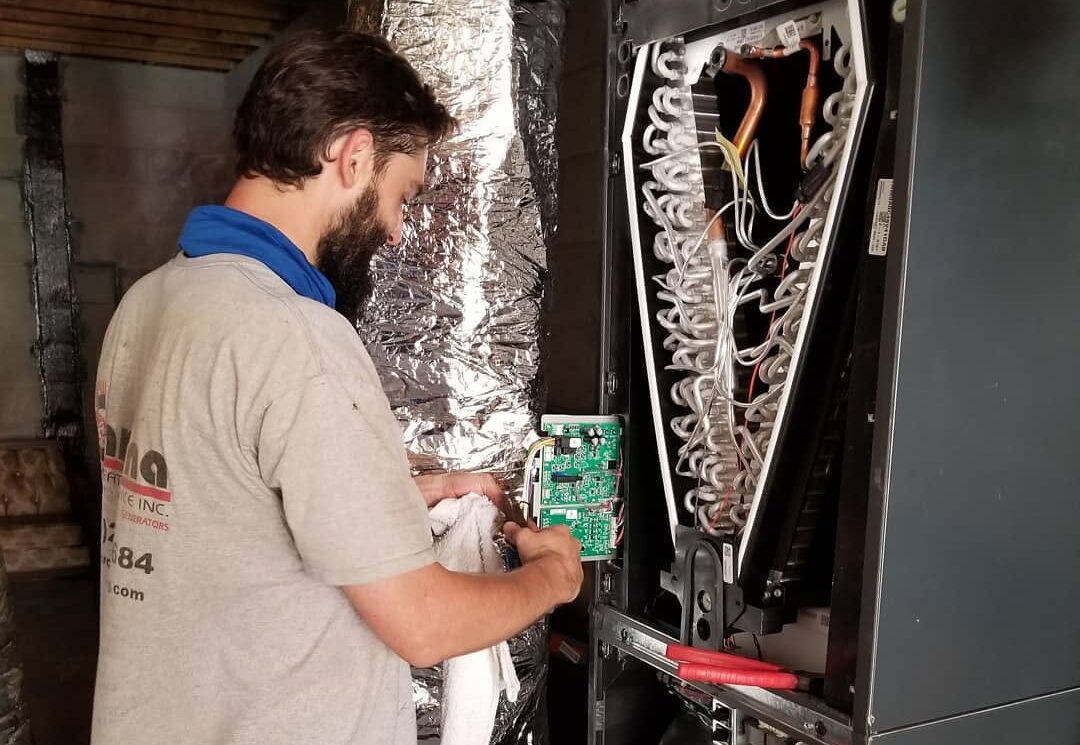
A furnace or heat pump that sat quietly through an Upstate summer does not always start up the way it left off in spring. The first cold night in Greenville tends to arrive in late October or early November with no warning shot. That is why every fall visit from Carolina Heating Service ends with a system report card. It is a written record of what the technician found on each part of the system, with the job recorded on video. This post walks through that report card line by line, so you know what each entry means and when the card is telling you something larger than a tune-up.
Why a report card rather than a handshake
Most homeowners have been told a heating system is fine and taken it on faith, and a report card replaces that with readings. Each line records what was measured, what the manufacturer’s specification is, and whether the result was in range, and the video of the visit shows the work being done. For a homeowner it means knowing exactly where the system stands going into winter, and it means a record the manufacturer can see if a warranty claim ever comes up, since most makers ask for proof of professional maintenance before honoring one.
The heat exchanger
On a gas furnace, the first line on the card covers the heat exchanger, the metal chamber that transfers heat from the burning gas into the air that circulates through the house. It matters more than any other line because a cracked exchanger can let carbon monoxide into that air, and a crack is invisible from outside the furnace. The technician inspects the exchanger for cracks and corrosion and samples combustion gases to confirm the furnace is burning cleanly. A failed line here is the one finding that keeps a furnace off until it is addressed, and a fall visit is when to find it, rather than a January morning when the carbon monoxide detector does.
Ignition and safety controls
The next lines cover how the system starts and how it protects itself. On a furnace, that is the igniter, the flame sensor that confirms the burners lit and cuts the gas if they did not, the pressure switch, and the limit switch that shuts the unit down on restricted airflow. On the heat pumps most Upstate homes rely on, it is the defrost control and the auxiliary heat strips, which take over on the coldest nights and may not have run since last February. A strip that failed last winter sits unnoticed all year until a 20-degree night asks for it, and testing the strips under load is how the report card catches it in October.
The electrical side
Heating systems fail electrically more often than mechanically, and this section records the capacitor’s charge against its rating, the blower motor’s current draw, the contactor’s condition, and the tightness of the connections that vibration loosens over a season. A capacitor drifting below its rating is a small part in the fall and a burned-out motor in January, so this line often carries the most useful early warning on the card.
Airflow, the filter, and the thermostat
The last lines record the things a homeowner can also check. A dirty filter and a blocked vent are the two most common reasons a furnace works harder than it should. Check the filter every four to six weeks during heating season and replace it when light no longer passes through, and walk the house to confirm no vent or return is blocked by furniture, drapes, or a rug. The technician measures airflow and static pressure, which point to a duct joint that has separated in the attic or crawl space, and checks the thermostat’s calibration. A thermostat more than a few years old that reads a degree or two off runs the system a degree or two longer, and a smart thermostat is a modest upgrade that also reports faults before the house gets cold.
When the card says replacement is worth discussing
A furnace past 10 to 15 years, or a heat pump past 12, typically runs well below the efficiency of a new one, and maintenance keeps an aging system safe without closing that gap. When the card shows a large repair on a system that age, the technician will lay out the repair-versus-replace math for your unit rather than assume either answer, and there is no pressure to decide during the visit. New systems from Carolina Heating Service carry a 10-year parts and labor warranty, and our furnace and heat pump pages cover the options.
Why October rather than the first cold night
A system that worked fine at the end of last winter can develop a problem over a summer of sitting still, which is why the yearly visit matters even when nothing seems wrong. Fall is also the last window with mild weather on your side if a part has to be ordered, and a furnace that will not start on the first hard freeze puts your household in line behind every other Upstate home with the same problem that morning. Most fall inspections take about an hour, and if a repair is needed, the price is presented before any work begins.
Carolina Heating Service has served Greenville and the Upstate since 1981. Members of the Carolina Comfort Club receive two heating and cooling tune-ups a year, reduced rates on repairs with a one-year labor warranty, a reduced dispatch fee, and priority service. Schedule your fall visit online or through the 24/7 website chat, and you will receive a photo of your technician and an on-the-way message before arrival, along with the report card and the video when the visit is done.