
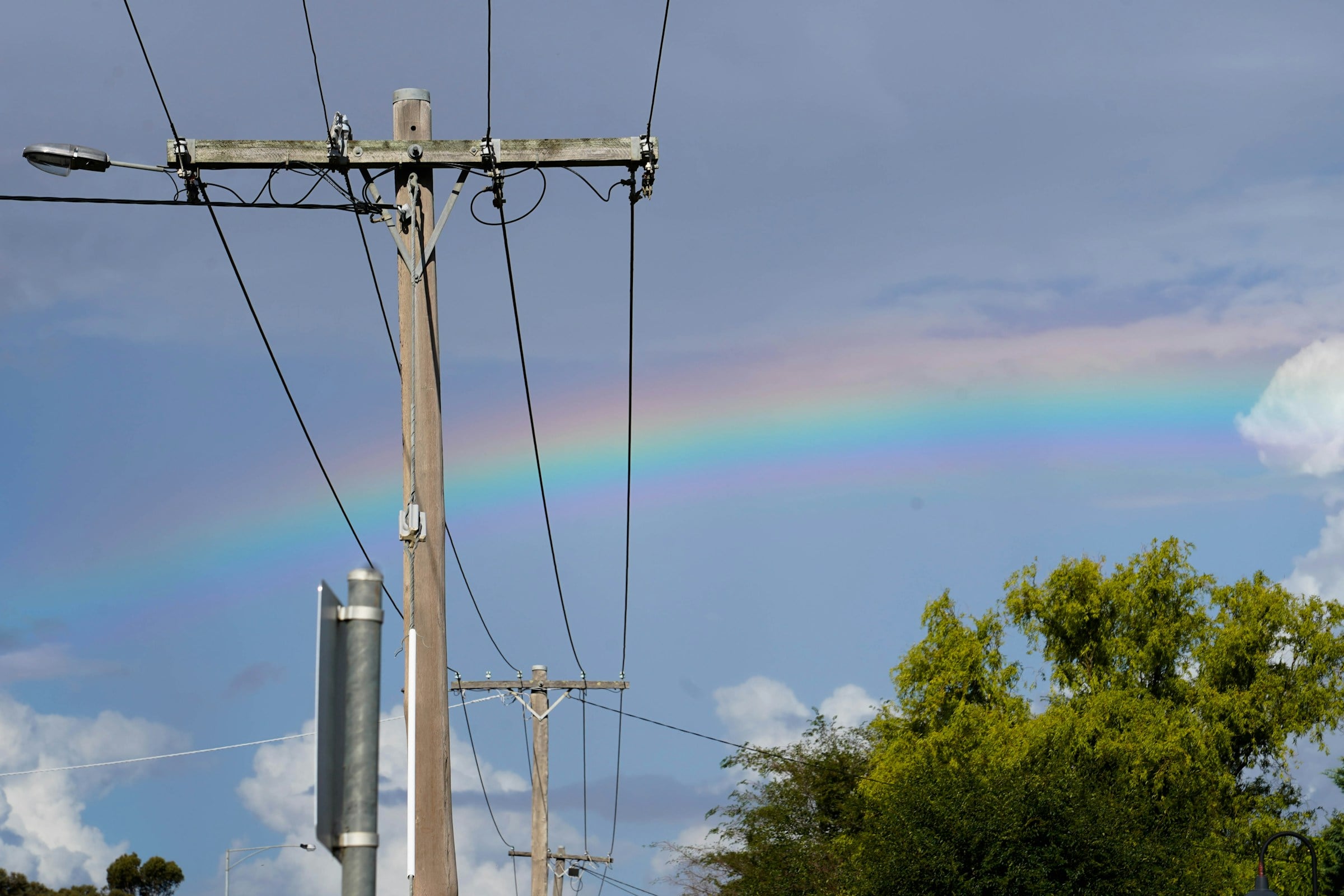
Warmer weather puts new demands on a home’s electrical system, and in the Upstate they arrive in a particular order. First the air conditioner starts and draws more current than anything else in the house. Then the porches, decks, and pool pumps come back into use and put load on the outdoor circuits. Then the thunderstorm season begins and sends surges through everything. A short spring inspection catches the small problems before each demand turns one into an outage, a repair, or a safety hazard, and this checklist is arranged in the order the season arrives.
Before the air conditioner starts
The cooling system’s compressor is the largest electrical load in most Greenville homes, and its first start of the season is the moment a weak point in the wiring shows itself.
- Open the panel door and look, without removing the cover, for rust, scorch marks, or a burning smell, and listen for a buzz. Flip each breaker off and on to confirm it moves smoothly, and note any that feels stiff or will not stay reset.
- Look at the disconnect box on the wall near the outdoor unit for corrosion, insect nests, or a cover that no longer closes, since it spent the winter in the weather.
- Notice whether the lights dim when the outdoor unit starts. A flicker points to a circuit near its limit or a connection that has loosened, and in older Upstate homes it often points to a panel sized for a house with far fewer appliances.
- If the system is more than ten years old, ask the technician doing the spring tune-up to check the capacitor and contactor under load, since those two parts are where the electrical side of a cooling system fails first.
Before the outdoor living begins
Porches, decks, patios, and yards come back to life in April, and the circuits that serve them have sat through a wet winter.
- Press the test button on every GFCI outlet in the kitchen, bathrooms, garage, and outdoors, then press reset to confirm each trips and resets. A GFCI that will not trip is not protecting anyone, and the outdoor ones fail first.
- Check every standard outlet for looseness, discoloration, or a warm faceplate, since any of those points to a wiring issue behind the wall that an electrician should look at.
- Look at outdoor fixtures, landscape lighting, and the outlets serving a pool pump or a hot tub for cracked covers, corroded connections, or cords that have become permanent, because a permanent extension cord marks a place an outlet belongs.
- If you are adding anything this season, a fan for the porch, a charger for a car, a second refrigerator in the garage, ask whether the panel has room for it before the load arrives rather than after a breaker trips.
Before the storms arrive
The Upstate’s summer thunderstorms begin in late spring, and lightning on the lines a few blocks away sends a spike through every home on the circuit.
- If the home has a whole-home surge protector at the panel, check its indicator light; if it shows a fault or is not lit, the device may have spent itself on last summer’s storms and needs replacing before this summer’s.
- If the home has no panel protector, spring is the time to have one installed, since it guards the heating and cooling system, the water heater, and every appliance at once rather than relying on the strips that catch only what is plugged into them.
- Put the electronics that matter on surge strips with a joule rating, and replace any strip whose indicator shows it has taken a hit.
- Test every smoke and carbon monoxide detector, replace weak batteries, and check the manufacture date on the back, since detectors need full replacement every eight to ten years.
The year-round items that fit best in spring
A few items belong on any season’s list and fit spring because the weather is mild and the schedule is open. Walk the house and note where extension cords and power strips have become permanent, because each marks an outlet that should exist. If the home has knob-and-tube or aluminum wiring, or a panel that a home inspector once flagged, spring is a good month for the full electrical inspection those call for. And if the last full inspection was more than three to five years ago, our post on an electrical inspection calendar for Upstate homes covers when the next one is due.
What an electrician adds
The items above tell you whether the system is showing symptoms. An electrical inspection from Carolina Heating Service removes the panel cover and checks every breaker and connection for heat, looseness, and corrosion, tests the grounding and bonding, measures the load on the circuits the air conditioner and the kitchen share, and looks at the outdoor connections the weather works on. The electrician tells you plainly what should be addressed now and what can wait, with the price presented before any work, and the visit is recorded on video.
Scheduling before the season
Carolina Heating Service has served Greenville and the Upstate since 1981, and our electricians complete a multi-month training program at hire. Schedule a spring electrical inspection online or through the 24/7 website chat, and you will receive a photo of your technician and an on-the-way message before arrival. Members of the Carolina Comfort Club receive priority service, which matters most once the first heat wave and the first storm fill the calendar.