
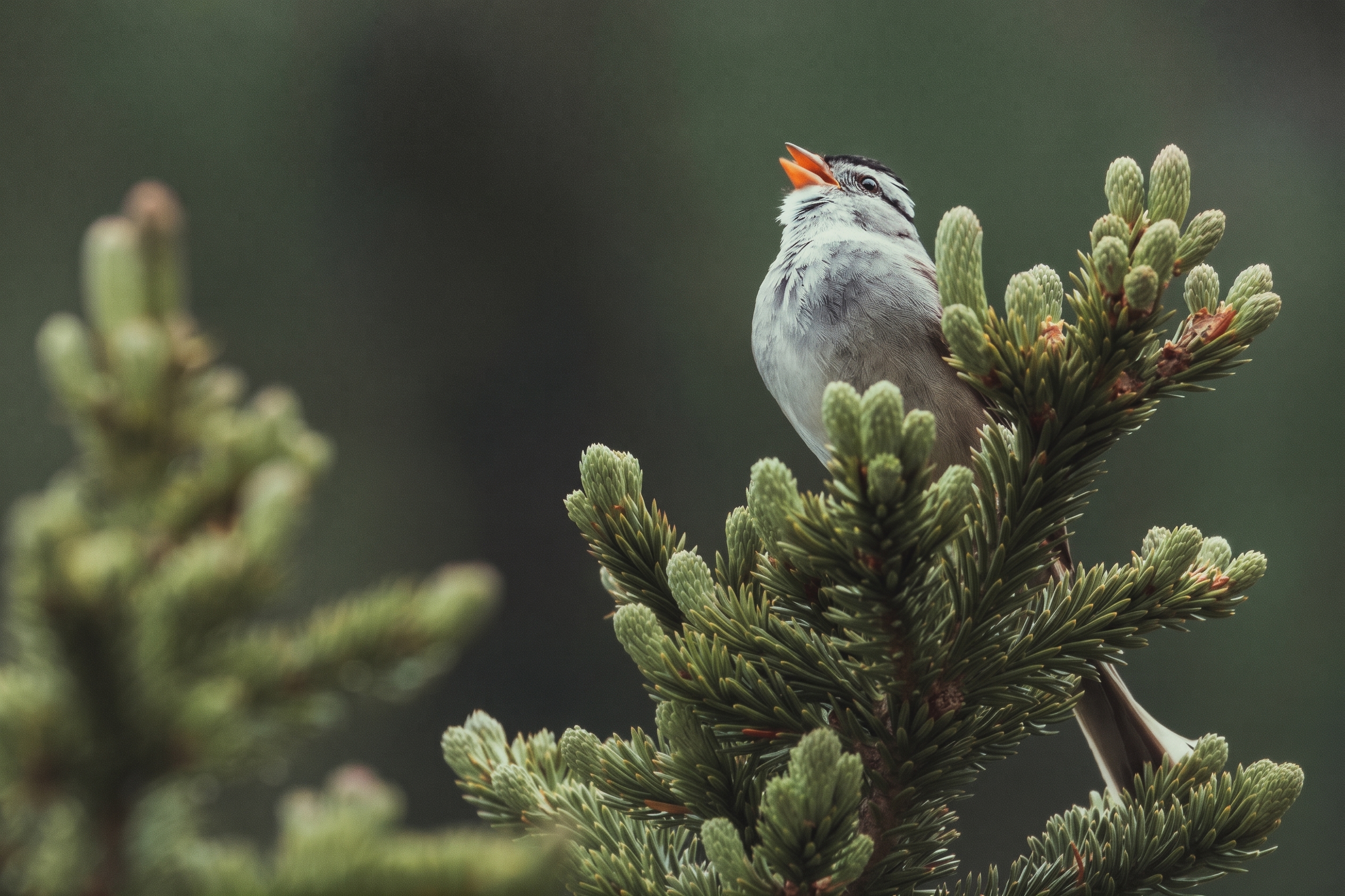
Pine pollen season in the Upstate runs from late March into April, and the fine yellow-green dust that coats cars and porches rides into your home on shoes, clothing, pets, and every open door. Keeping it out of your indoor air comes down to four things: a fresh HVAC filter before the cooling season starts, closed windows on heavy pollen days, habits that stop pollen at the door, and a system check that clears what settled in the ducts over winter. Oak, maple, and other hardwoods release pollen in the same weeks, and those smaller grains cause more of the sneezing than the pine dust you can see. Across the Piedmont, the yellow coating comes mostly from loblolly and shortleaf pines, and oak pollen peaks a week or two behind it, so the season in Greenville runs about a month from first dusting to last.
Spring is also when most Upstate households switch from heating to cooling for the first time in months, which stirs up a winter’s worth of dust at the same moment outdoor pollen peaks. That timing is why so many people notice symptoms indoors that feel as bad as outside.
Why Pine Pollen Is So Visible
Pine pollen grains are large compared with most tree pollens, which is why they settle on every flat surface and why a standard pleated filter catches them easily. The hardwood pollens that bloom alongside them are much smaller, stay airborne longer, and pass through a low-grade filter. A filter rated MERV 8 captures most pollen. A MERV 11 or 13 filter captures the finer grains as well, provided your system is designed to move air through the added resistance, which is something to confirm before stepping up a grade.
How Pollen Gets Inside
Open windows on a breezy April afternoon are the obvious path, but they are not the only one. Pollen clings to clothing, hair, and pet fur and comes off indoors. It collects on porches and doormats and gets tracked across floors. Leaky return ducts in an attic or crawl space pull in air from those spaces, and both collect pollen from the outside vents and gaps that let outdoor air in. Once inside, pollen circulates through the HVAC system along with whatever dust and pet dander built up over the winter, and every cooling cycle moves it to another room.
Getting Your System Ready for the Switch
A filter that has been in place since fall is carrying months of dust just as pollen adds to the load. Replace it before the first warm week rather than after. Then have the cooling side of the system checked. An AC tune-up at the start of the season cleans the indoor coil, where pollen and dust combine with condensation into a layer that cuts efficiency, and confirms the condensate drain is clear before the humid months begin. If the ducts have not been inspected in years, dust inside them gets stirred back into circulation each time the blower starts, and a duct inspection can show whether cleaning or sealing would help.
Filtration and Purification That Match the Season
For a household with spring allergies, the filter is the first upgrade and the least expensive. A thicker media filter in a cabinet at the air handler captures more particles than a one-inch filter without restricting airflow as much, and it needs changing less often. An air scrubber installed in the duct system works on the particles and odors a filter alone does not address, and it runs whenever the system does, which during pollen season is most of the day.
Habits That Keep Pollen Out
- Keep windows closed on high-pollen days, and let the HVAC system do the filtering.
- Leave shoes at the door, and change clothes after yard work or a long time outside.
- Wipe down or bathe pets more often during peak weeks, since fur is an efficient pollen carrier.
- Vacuum with a HEPA-filtered vacuum, and damp-mop hard floors instead of sweeping, which lifts pollen back into the air.
- Rinse the outdoor condenser gently with a hose once the heaviest pollen has passed, since a coil coated in pollen sheds heat poorly.
- Check the filter monthly through April and May, and replace it as soon as it looks yellow or gray.
When Symptoms Persist Indoors
If spring consistently brings symptoms that ease when you leave the house, the air inside is part of the problem. The cause is usually one of three things: a filter that is not capturing fine pollen, ducts that are redistributing settled dust, or return leaks pulling unfiltered air into the system. Each is measurable, and the right fix depends on which one your home has.
Getting Ahead of Pollen Season
Carolina Heating Service has been part of the Greenville community since 1981, and our technicians assess your indoor air quality based on your home and your household rather than a standard package. Your technician checks the filter, the coil, and the ductwork, records video of what they find, and presents a flat-rate price before recommending any equipment. Schedule an assessment online or message us any time through the 24/7 chat on our website, and we will help you get ahead of pollen season before it settles in.