
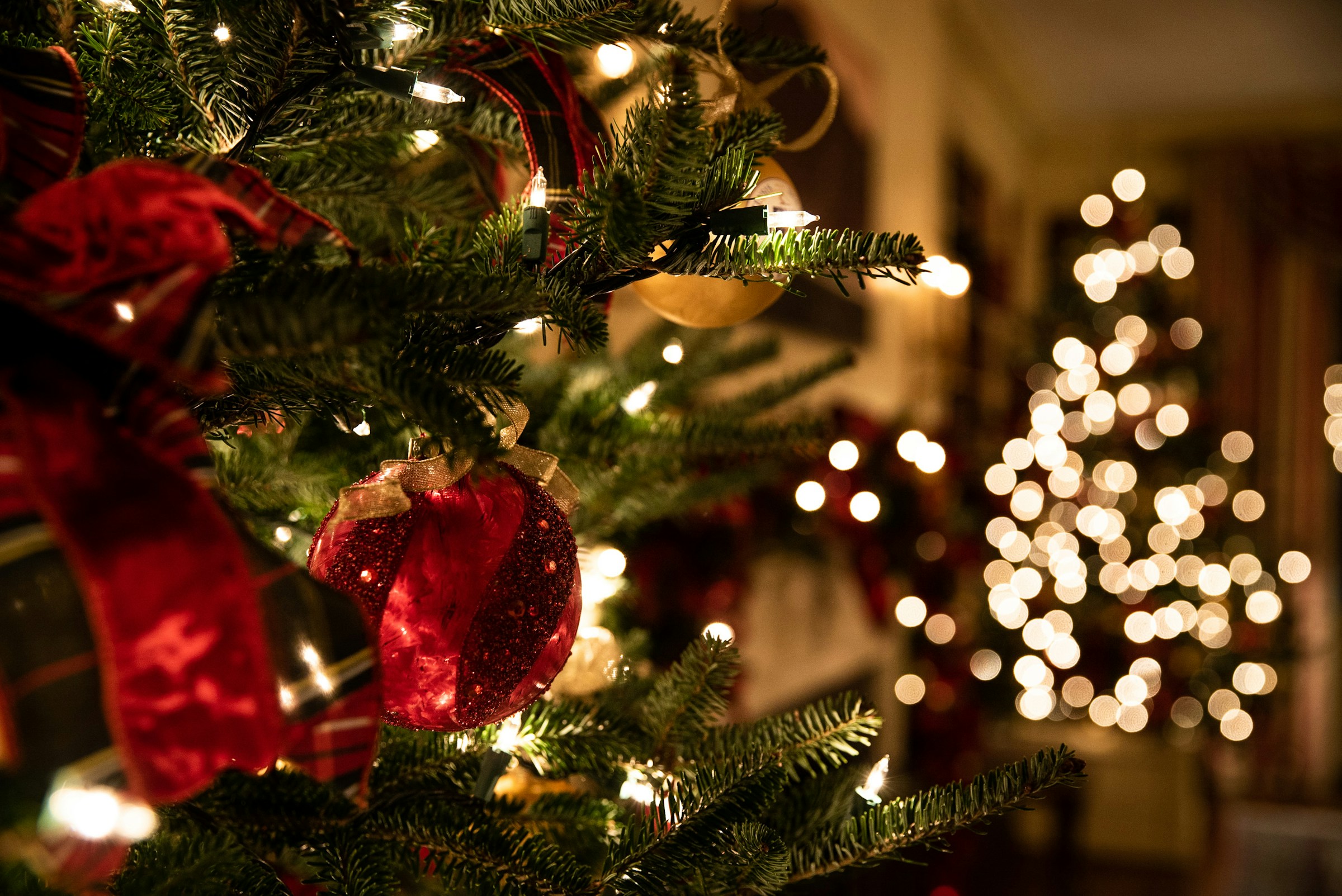
The National Fire Protection Association counts about 160 home fires a year that begin with Christmas trees and reports that Thanksgiving is the peak day for home cooking fires. Most of those fires start with an ordinary decoration used a little carelessly.
Holiday decorating safety comes down to a few habits, like keeping the tree watered and away from heat, making sure light strings are within their rated limits, and everything gets plugged into outlets that can handle them. It’s also important to keep candles away from anything that burns and never unattended, and keep the kitchen staffed while the stove is on.
Upstate homes add a few local wrinkles. Winters here are wet, so outdoor displays spend December in the rain. Many homes were wired decades before anyone imagined a roofline of lights and an inflatable snowman on the same circuit as the garage freezer. And the season’s cold snaps bring space heaters out just as the extension cords multiply. Here is how to handle each part.
Christmas Trees
A fresh tree with a tight needle hold and a sticky trunk is far harder to ignite than a dry one. Cut two inches off the trunk before placing it in the stand, keep the stand full of water every day, and take the tree down once the needles start dropping. In a warm Upstate living room, that can be sooner than you expect. Keep the tree at least three feet from fireplaces, space heaters, heating vents, and lamps, and out of the path to an exit. An artificial tree should be labeled fire resistant. Never decorate any tree with lit candles, and turn tree lights off before leaving home or going to bed.
Light Strings and Outlets
Every light string carries a label with the maximum number of strings that can be connected end to end, often three for incandescent and considerably more for LED. The limit protects the thin wire inside the first string, not the outlet, and exceeding it heats that wire inside the insulation. Inspect every string before hanging it, and discard any with cracked sockets, frayed wire, or loose connections. Use lights rated for outdoor use outdoors, and plug outdoor displays into GFCI-protected outlets with in-use covers that keep the plug dry. A timer turns everything off at bedtime without relying on anyone’s memory.
The outlet matters as much as the lights. A standard 15-amp household circuit often serves several rooms, and a tree, a mantel, a window display, and a space heater on that circuit will trip the breaker, or worse, warm the wiring if the breaker is slow. Warm outlet covers, flickering lights when a display comes on, or a breaker that trips repeatedly through December are signs the circuit is overloaded. If the same thing happens every year, a dedicated outdoor circuit or additional outlets where the display lives is a one-time fix that removes the problem for good.
Extension Cords
Extension cords are for temporary use, and the holidays are where temporary becomes two months. Use cords rated for the load and the location, never run them under rugs or through doorways where they get pinched, and never chain power strips together. A cord that feels warm is carrying more than it should. Where a cord has become a permanent fixture, an electrician can add an outlet in a few minutes, which is safer and tidier than the cord for a long-term setup.
Candles
The NFPA counts about 20 home candle fires reported each day in the United States, and the number climbs in December. Keep candles at least a foot from anything that can burn, in sturdy holders on a stable surface, out of reach of children and pets, and never in a bedroom where someone might fall asleep. Battery-powered LED candles remove the risk entirely and have become convincing enough that many households have switched.
Cooking
Holiday meals mean several dishes going at once while guests pull attention away from the stove. Stay in the kitchen while anything is frying, grilling, or boiling, keep towels, oven mitts, and packaging away from burners, and keep a lid nearby to smother a pan fire. Never pour water on a grease fire. If you fry a turkey, do it outdoors, well away from the house and the deck, with the bird fully thawed and the oil level marked ahead of time.
Space Heaters and Fireplaces
A space heater needs three feet of clear space on every side and a wall outlet of its own, never an extension cord or power strip. Turn it off when you leave the room. If the fireplace is part of the season, have the chimney inspected and cleaned before the first fire, use a screen, and let ashes cool in a metal container outside before disposing of them. A gas fireplace needs a working carbon monoxide alarm in the room.
When the Electrical System Needs Help
If your outlets and breakers struggle with holiday lighting every year, the house is telling you the electrical system has fallen behind the way you use it. Carolina Heating Service has been wiring, heating, and cooling Upstate homes since 1981. Our licensed electricians can check your circuit breakers and wiring, add a dedicated circuit for the display, and confirm your outdoor outlets are GFCI protected before the lights go up. You get a flat-rate price before any work begins and a one-year workmanship warranty with free callbacks within 30 days. Schedule an electrical inspection online or use the 24/7 chat on our website, and we will help you enjoy the season without the worry.
Frequently Asked Questions
Can I plug holiday lights into a power strip?
Yes, as long as the strip is rated for the load and used indoors. Outdoor lights need a GFCI-protected outlet and a cord rated for outdoor use, and a power strip is never rated for rain. Avoid chaining power strips together.
Why do my lights dim when the holiday display turns on?
Dimming means the circuit or the service is near its limit, or a connection somewhere is loose. A display that pulls lights down in other rooms is sharing a circuit with them. An electrician can measure the load and add a dedicated circuit where the display lives.
Are LED holiday lights safer than incandescent lights?
LED strings draw a fraction of the current, run cool to the touch, and allow many more strings per run, which removes the two most common holiday lighting hazards. They also last longer. Inspect them before hanging just as you would any string, since the wire and plugs still wear.
Is my outdoor outlet safe for holiday displays in the rain?
Only if it is GFCI protected and has an in-use cover that keeps the plug dry while a cord is connected. An older outdoor outlet without those should be upgraded before the display goes up. Upstate winters are wet, and water in an outlet is a shock and fire risk.
What should I do if an outlet feels warm during the holidays?
Unplug everything on it and stop using that circuit until an electrician checks it. Heat at an outlet means a loose connection or an overload behind the cover, and both are how fires start inside walls. The fix is usually quick once the cause is found.