
Choosing a heating system comes down to the fuel available at your home, how cold your winters get, how much you want to spend upfront versus month to month, and whether your home has ductwork. In Greenville and the surrounding Upstate counties, winters are mild with a handful of hard freezes, and summers are long and humid. That combination makes a heat pump or a dual fuel system the right fit for many homes, while a gas furnace still makes sense where natural gas is already connected and consistent heat on the coldest nights matters most.
The right answer is specific to your house. A home without gas service, a home with no ductwork in an addition, and a home with a large lot and a long ownership horizon each lead to a different system. Here is how each option performs and who it suits.
Heat Pumps
A heat pump moves heat rather than making it. In winter it pulls heat from the outdoor air, even when that air feels cold, and carries it inside. In summer it runs in reverse and works as your air conditioner. Because it moves heat instead of burning fuel, it delivers more heat energy than the electricity it uses, which makes it efficient through most of an Upstate winter. It also produces no combustion gases inside the home and needs no gas line.
The tradeoff is cold weather. As outdoor temperatures approach freezing, there is less heat available to move, and the system leans on electric backup strips that cost more to run. Modern heat pumps hold their capacity at lower temperatures than models from a decade ago, so the backup strips run less often than they used to. Even so, a heat pump alone is still the most expensive option to run during a stretch of nights when the temperature is in the teens.
Gas Furnaces and Gas Packs
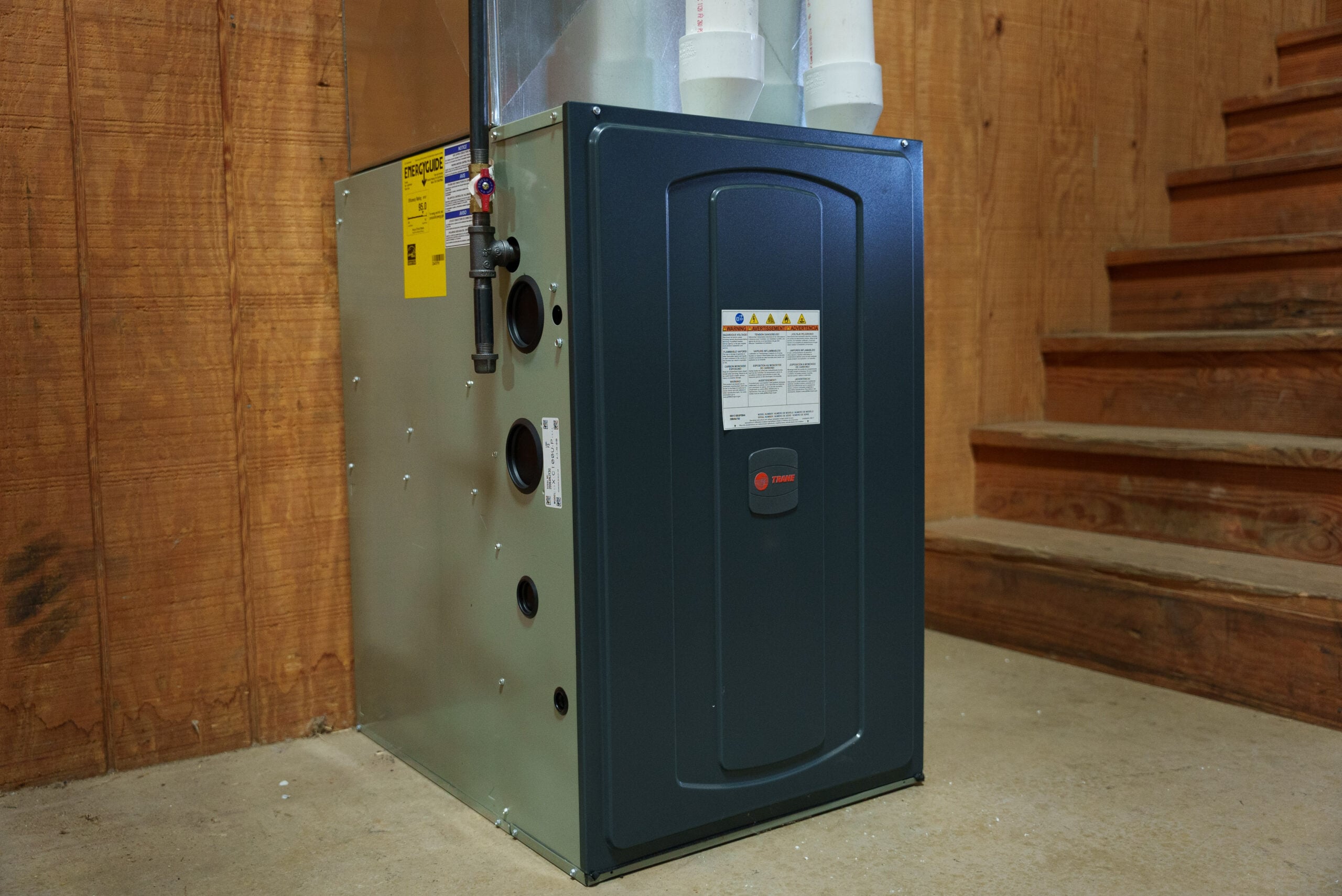
A gas furnace burns natural gas or propane to heat air, and it delivers the same strong heat whether it is 45 degrees outside or 15. That consistency is its advantage over a heat pump, along with a lower electricity bill in January. A furnace needs a fuel supply, a vent to carry combustion gases outside, and annual inspection to confirm the heat exchanger and venting are sound, since a crack or a blocked flue can let carbon monoxide into the home. It is paired with a separate air conditioner for summer.
A gas pack combines the furnace and the air conditioner in one outdoor cabinet. It suits homes without space for indoor equipment, such as houses on slabs or with small utility closets, and it keeps all the service access outside.
Dual Fuel Systems
A dual fuel system pairs a heat pump with a gas furnace and lets the thermostat choose. During mild weather, which is most of an Upstate winter, the heat pump does the work at low cost. When the temperature drops below a set balance point, the system switches to gas heat, which delivers full output without the expense of electric backup strips. For a home that already has gas service, this gives you the efficiency of a heat pump for the bulk of the season and the muscle of a furnace for the coldest nights. The upfront cost is higher than either system alone because you are installing both.
Geothermal Systems
A geothermal system is a heat pump that exchanges heat with the ground instead of the air. Several feet below the surface, soil temperature stays steady year-round, so the system never faces the cold-air problem an air-source heat pump does. The result is the lowest operating cost of any option here, in both heating and cooling, along with a long service life for the indoor equipment. The ground loop requires trenching or drilling, which makes the installation cost the highest on this list and puts it out of reach for small lots. Geothermal fits best on larger properties where the owner plans to stay long enough for the lower bills to repay the investment.
Mini-Split Systems
A ductless mini-split is a heat pump that serves one room or zone through a wall-mounted indoor unit, with no ductwork at all. It is the right answer for an addition, a converted garage, a sunroom, or a bonus room that the main system never reaches well. Many homeowners pair a mini-split with their central system rather than replacing it. Larger multi-zone mini-split systems can heat and cool an entire home without ducts, which suits older houses where adding ductwork is impractical.
Questions to Settle Before You Decide
- Fuel: Is natural gas connected to the home, is propane practical, or is electricity the only option?
- Ductwork: Does your home have ducts in good condition, and do they reach every room you want conditioned?
- Comfort priority: Do you want the lowest monthly bill, or the strongest heat on the coldest nights?
- Space: Is there room indoors for a furnace and air handler, or does the equipment need to live outside?
- Ownership plans: How long do you expect to own the home, since high-efficiency and geothermal options repay their cost over years rather than months?
- Sizing: Has anyone run a load calculation, since a system sized by rule of thumb often short-cycles and leaves the house humid?
Getting a Recommendation Built for Your Home
Carolina Heating Service has been part of the Greenville community since 1981, and tailored service means matching the system to the house rather than selling one package to everyone. Your technician looks at your fuel options, your ductwork, and your home’s heating and cooling load, then presents options with flat-rate pricing before any work begins. New systems we install carry a 10-year parts and labor warranty, and financing options are available for homeowners who want to spread the cost out. Schedule a consultation online or send us a message through the chat on our website, which is open 24/7, and we will help you choose a system that keeps your home cozy for years to come.
Frequently Asked Questions
Does a heat pump work when it is below freezing in the Upstate?
Yes. A heat pump keeps heating below freezing, though its output drops and the electric backup strips run more. Modern models hold useful capacity well into the 20s, which covers nearly every night an Upstate winter produces. A dual fuel system avoids the backup strips entirely on the coldest nights.
What is the balance point on a dual fuel system?
The balance point is the outdoor temperature at which the furnace takes over from the heat pump, set by the technician based on the cost of electricity and gas and the heat pump’s capacity. In the Upstate it often falls in the 30s. Setting it correctly is what makes dual fuel pay off.
Do I need ductwork in good condition before replacing a heating system?
Yes. New equipment pushed through leaky or undersized ducts loses efficiency immediately, and the warranty rarely covers comfort complaints caused by ductwork. A technician inspects the ducts and measures static pressure as part of any replacement quote, and sealing problem sections usually happens during the installation.
How long do heating systems last in this climate?
Gas furnaces often run 15 to 20 years here because the heating season is short. Heat pumps and the cooling side of any system run 12 to 15 years, because they also handle a long cooling season. Annual maintenance is the main variable within those ranges.
Is geothermal practical on a half-acre lot?
Often yes. A vertical loop field drilled into the ground needs far less surface area than a horizontal loop and fits on many suburban lots, while a horizontal loop needs open yard space and shallow trenching. Soil conditions and lot access decide which is possible, and a site evaluation answers it.