
Winterizing an Upstate home means five things. It involves protecting the pipes that run through crawl spaces and exterior walls, having the heating system serviced before you depend on it, sealing the gaps that let cold air in, closing up the crawl space, and making sure backup power is ready for the ice storm that takes down lines every few winters. Winters in Greenville are mild most of the time, which is exactly why the hard freezes do so much damage when they arrive for unprepared homes. Homes here are built for heat and humidity, and a few nights in the teens find every weak spot.
The Christmas 2022 arctic blast made the point. Temperatures across South Carolina dropped into the low teens and stayed there for two days, and burst pipes flooded homes from Greenville to the coast while water utilities fought main breaks. A few hours of preparation in November would have prevented most of that damage.
Protect the Pipes
The freeze alert threshold for homes in southern climates at about 20 degrees. Pipes in this region often run through unheated crawl spaces, garages, and exterior walls with little insulation, which is why the threshold sits so high. Wrap exposed pipes in foam sleeves, paying attention to the lines near crawl space vents and the supply to any outdoor spigot. Disconnect and drain every garden hose, close the interior shutoff for each spigot if your home has one, and add insulated covers to exposed faucets. When a hard freeze is forecast, open cabinet doors under sinks on exterior walls and let the faucet farthest from the water heater drip, since moving water resists freezing. Know where the main shutoff valve is before you need it, and if a pipe does burst, frozen and burst pipe repair goes faster when the water is already off.
Close Up the Crawl Space
Many Upstate homes sit over a vented crawl space, and open vents in January put freezing air directly on the pipes and ductwork under the floor. Foam vent covers close them for the season and come off in spring. While you are down there, look for gaps in the floor insulation, ducts that have pulled apart, and standing water. A wet crawl space in winter chills the floors above it and feeds the mold that shows up in spring. An encapsulated crawl space with a dehumidifier skips the vent routine entirely.
Have the Heating System Serviced
The furnace or heat pump works harder from December through February than at any other time, and the first hard freeze is when a system with a weak igniter, a dirty flame sensor, or a low refrigerant charge fails. A furnace tune-up before the season confirms the burners, heat exchanger, and venting are safe and the system is running efficiently. Heat pump owners should make sure the thermostat is set up to use the electric backup strips only when needed, since those strips are what turns a cold week into a large power bill. If your equipment is still under warranty, the manufacturer may require annual service to keep it valid.
Seal the Air Leaks
Warm air moves toward cold, and every gap in the house is a path out. Replace worn weatherstripping on exterior doors, add a sweep to the bottom of the garage entry door, caulk around window frames, and put a gasket or insulated cover on the attic hatch. Reverse the ceiling fans to spin clockwise at low speed, which pushes the warm air that collects at the ceiling back down. If the attic insulation is thin or uneven, an insulation contractor can bring it up to the R-30 to R-49 range ENERGY STAR recommends for this climate zone, and that single project lowers heating bills every winter afterward.
Get Backup Power Ready
Ice storms are the Upstate’s winter outage. Freezing rain coats limbs and lines, and a storm that lasts a night can leave neighborhoods dark for days. A standby home generator keeps the heat, the well pump, the sump pump, and the refrigerator running through it, and the fall is the time to have the unit serviced and its weekly self-test confirmed. If you rely on a portable generator, make sure it starts, that fuel is fresh and stored safely, and that you have a spot at least 20 feet from the house to run it.
A Winterization Checklist
- Insulate exposed pipes and cover outdoor spigots.
- Disconnect, drain, and store garden hoses.
- Close crawl space vents and check the floor insulation and ducts.
- Replace the furnace filter and schedule a heating tune-up.
- Test smoke and carbon monoxide detectors and replace batteries.
- Seal doors, windows, and the attic hatch, and reverse the ceiling fans.
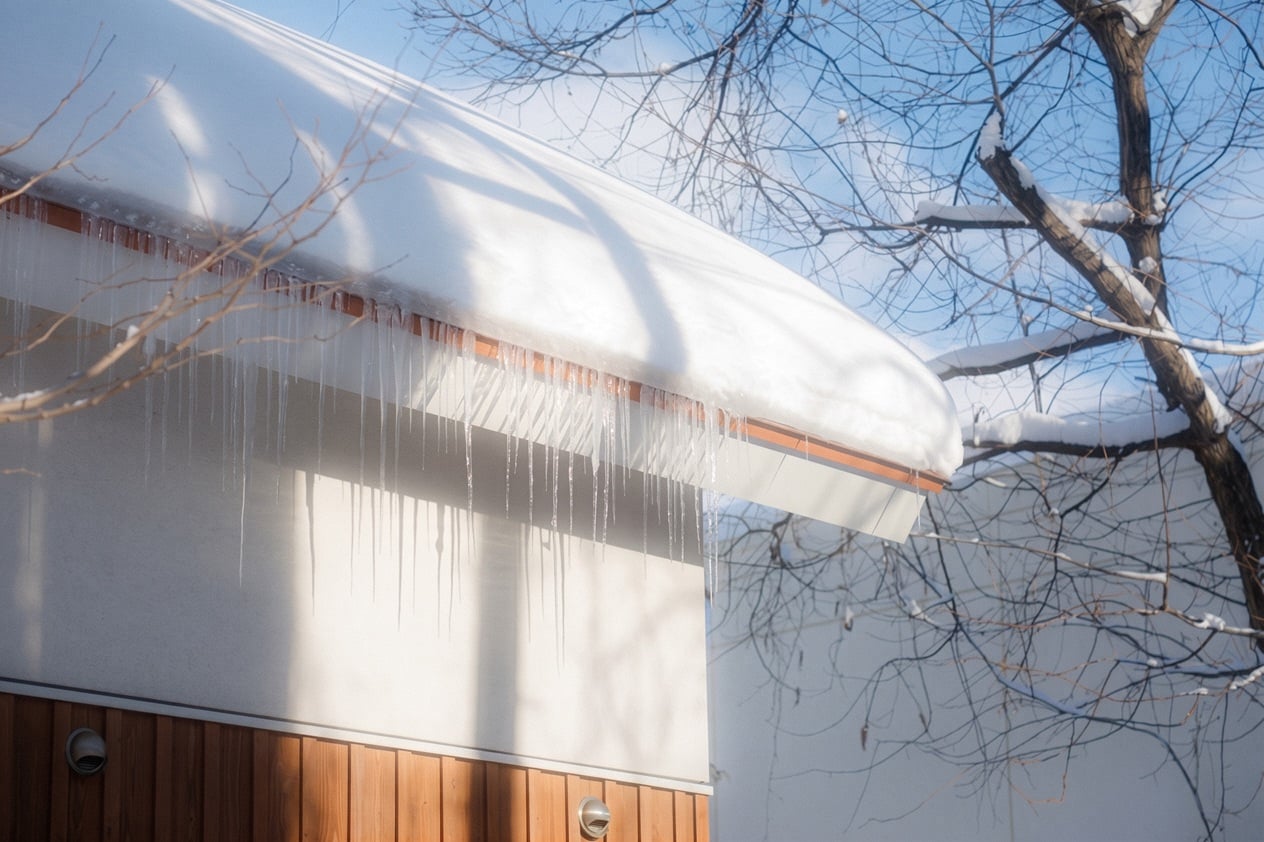
- Clear gutters so meltwater drains instead of refreezing at the roof edge.
- Service the generator and confirm its self-test, or stock fresh fuel for a portable.
- Find the main water shutoff and show everyone in the house where it is.
Getting Your Home Ready in One Visit
Carolina Heating Service has served Greenville and the Upstate since 1981 across heating, plumbing, electrical, and generator work, which means the furnace tune-up, the pipe check, and the generator service can happen in one visit instead of three. You receive a photo of your technician and an on-the-way message before arrival, a flat-rate price before any work begins, and a system report card afterward. Same-day repair appointments are available by phone when the cold arrives early. Schedule a winterization visit online or send us a message through the chat on our website, which is open 24/7, and we will help you keep your home warm, dry, and cozy through the season ahead.
Frequently Asked Questions
Should I cover my outdoor air conditioner for the winter?
A full cover traps moisture and invites rodents, so most manufacturers advise against it. A board or a breathable top cover keeps leaves and ice out of the fan while letting the unit breathe. If you have a heat pump, never cover it at all, because it runs all winter.
Should crawl space vents be open or closed in winter?
Close them during freezing weather to keep cold air off the pipes and ductwork under the floor, and reopen them when the freeze passes if the crawl space depends on ventilation. Foam vent covers cost little and fit most vents. An encapsulated crawl space has no vents to manage.
Does a heat pump need winterizing?
A heat pump needs clear space around the outdoor unit, a check that the defrost cycle works, and a thermostat set up so the backup heat strips run only when needed. Keep snow and leaves off the unit, and never pour hot water on an iced coil. A fall tune-up covers the rest.
Should I shut off outdoor spigots before winter?
Disconnect and drain every hose first, then close the interior shutoff for each spigot if your home has one and open the spigot to drain it. Frost-free spigots still need the hose removed to drain properly. Insulated faucet covers add protection on exposed walls.
Is it safe to use a space heater to keep pipes from freezing?
A space heater in a crawl space or garage is a fire risk and is never the answer. Heat tape rated for the purpose, foam pipe insulation, closed vents, and a dripping faucet on the coldest nights do the job safely. If a section of pipe freezes every winter, rerouting or insulating that run is the lasting fix.