
Indoor air quality does get worse in cold weather, for three connected reasons. Doors and windows stay closed, so less fresh air moves through the house to dilute what builds up inside. People spend more hours indoors, so exposure to whatever is in the air goes up. And the equipment that burns fuel, from the furnace to the water heater to the fireplace, runs more hours than at any other time of year. Add the dryness that comes with heated air, and a home in January can have noticeably different air than the same home in May.
The fix is a combination of habits and equipment: better filtration, controlled ventilation, humidity in the right range, and an annual inspection of anything that burns fuel. Here is what changes in winter and what to do about each part of it.
A Sealed House Holds On to What Is in It
Modern homes are built tight to save energy, and older homes get tighter every time someone adds weatherstripping or replaces windows. That is good for heating bills and hard on air quality. The EPA notes that concentrations of some pollutants are often two to five times higher indoors than outdoors, and in winter the gap widens because the air exchange that would carry pollutants outside slows to a trickle. Cooking fumes, cleaning product vapors, pet dander, and dust that would have drifted out an open window in October stay in the house in January.
Combustion Appliances Run More
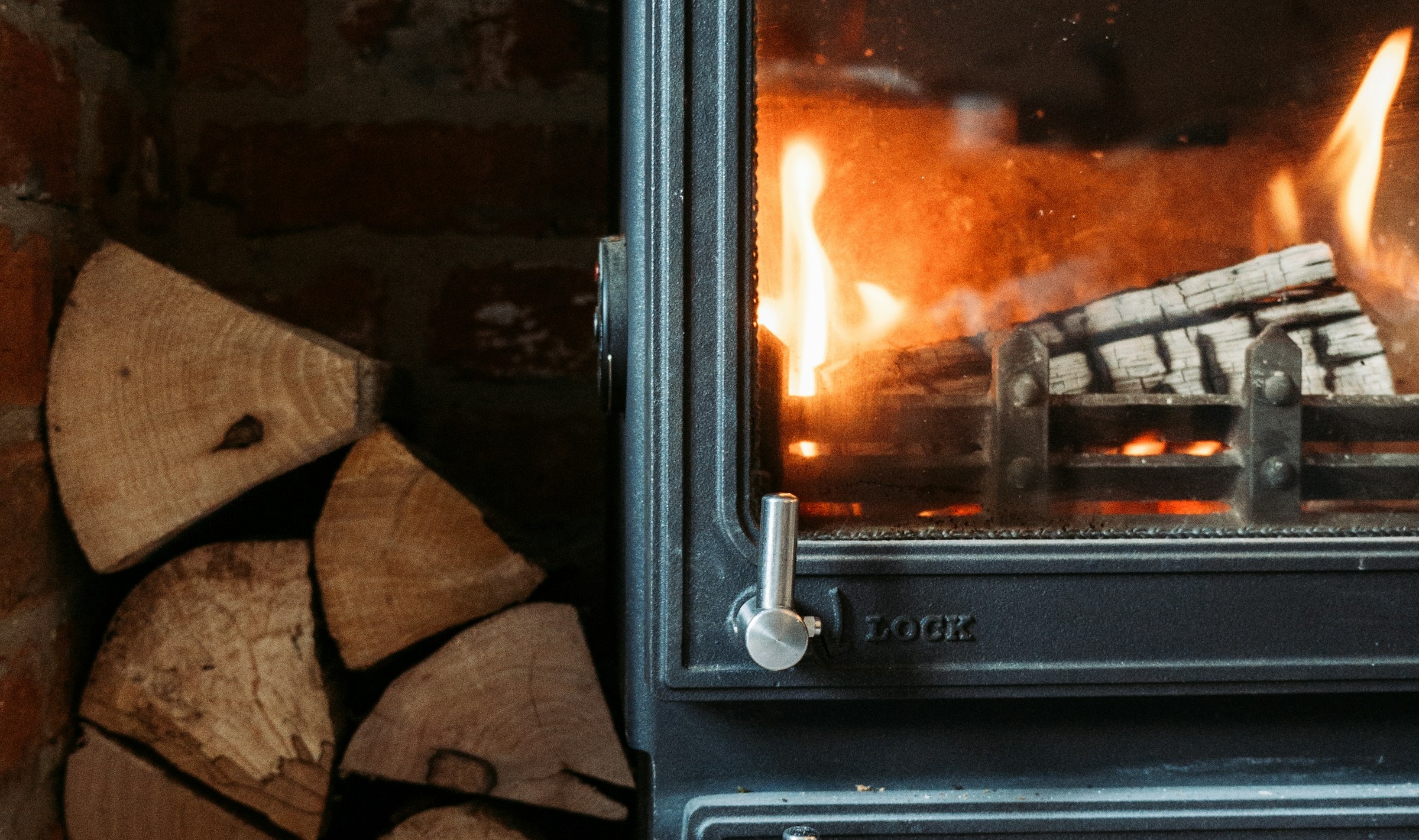
A gas furnace, a gas water heater, a gas range, a wood-burning fireplace, and any portable fuel-burning heater all produce combustion byproducts, including carbon monoxide. When those appliances are vented and working correctly, the byproducts leave through a flue. When a heat exchanger cracks, a flue is blocked by a bird’s nest or debris, or a fireplace damper does not seal, some of those gases end up in the living space. Winter is when those failures do the most harm, because the equipment is running the most and the windows are shut.
Two steps address this. An annual furnace tune-up includes an inspection of the heat exchanger, burners, and venting, which catches a problem before it reaches your air. Working carbon monoxide detectors on every level of the home are the backup for everything the inspection cannot predict. Never use a gas oven or an unvented fuel-burning heater to warm the house, since both release combustion gases directly into the room.
Radon Rises in Winter Too
Radon, a naturally occurring gas that seeps up from the soil, reaches its highest indoor levels in winter, when a closed house and a running furnace pull more soil air up through the crawl space or slab. The EPA’s radon map places several Upstate counties in its highest-potential zone, and the only way to know your level is to test. Winter is the right season to run a short-term kit, and a result above the EPA’s action level calls for a mitigation contractor, which is a trade separate from ours.
Particles Build Up
Dust, pet dander, pollen tracked in from fall, mold spores from a damp crawl space, and ash from a fireplace all accumulate faster in a sealed home. Your HVAC filter is the main line of defense, and it does more work in winter than most homeowners realize, because the furnace moves every bit of air in the house through it several times a day. A clogged filter stops capturing particles and starts pushing air around its edges, so a filter that was fine in October may be due by Thanksgiving.
Dry Air Makes It Worse
Cold outdoor air holds little moisture, and when it leaks into the house and gets heated, its relative humidity drops further. The EPA’s recommended indoor range is 30 to 50 percent humidity. Below 30, dust and dander stay airborne longer instead of settling, static electricity builds, and the air feels harsher on skin and throats. A whole-home humidifier connected to the HVAC system adds moisture to the air as it circulates and holds the level you set, which is easier to manage than portable units in individual rooms.
What You Can Do This Winter
- Replace the HVAC filter on schedule, and use a pleated filter rated MERV 8 or higher if your system can handle it.
- Run the kitchen exhaust fan whenever you cook, especially on a gas range, and run bathroom fans during and after showers.
- Open windows for a few minutes on mild afternoons to exchange the air, since the Upstate gets plenty of 60-degree days in winter.
- Brush and bathe pets regularly, and vacuum with a HEPA-filtered vacuum to keep dander and dust from recirculating.
- Store paints, solvents, and pesticides in a detached garage or outdoor shed rather than a closet inside the house.
- Keep indoor humidity between 30 and 50 percent, and check it with an inexpensive hygrometer or a smart thermostat that reports it.
- Schedule a furnace inspection before the first hard freeze, and test carbon monoxide detectors monthly.
When Habits Are Not Enough
If the house still feels stuffy, or if someone in your household notices symptoms indoors that ease outside, the system itself may be part of the problem. Dust inside the ducts gets redistributed every time the furnace runs, a standard filter may be passing the smallest particles, and a leaky return duct in the crawl space may be pulling damp, musty air into the system. Whole-home indoor air quality equipment, including media filtration, in-duct air purification, duct cleaning and sealing, and humidity control, addresses those causes at the system level rather than room by room.
Get Your Home’s Air Evaluated
Carolina Heating Service has served Greenville and the Upstate since 1981, and our technicians evaluate what your specific home needs rather than recommending a one-size-fits-all fix. Your technician inspects the furnace, the filter, and the ductwork, records video of what they find, and documents everything in a system report card you can keep. Schedule an evaluation online or send us a message through the chat on our website, which is open 24/7, and we will help you breathe easier this winter.